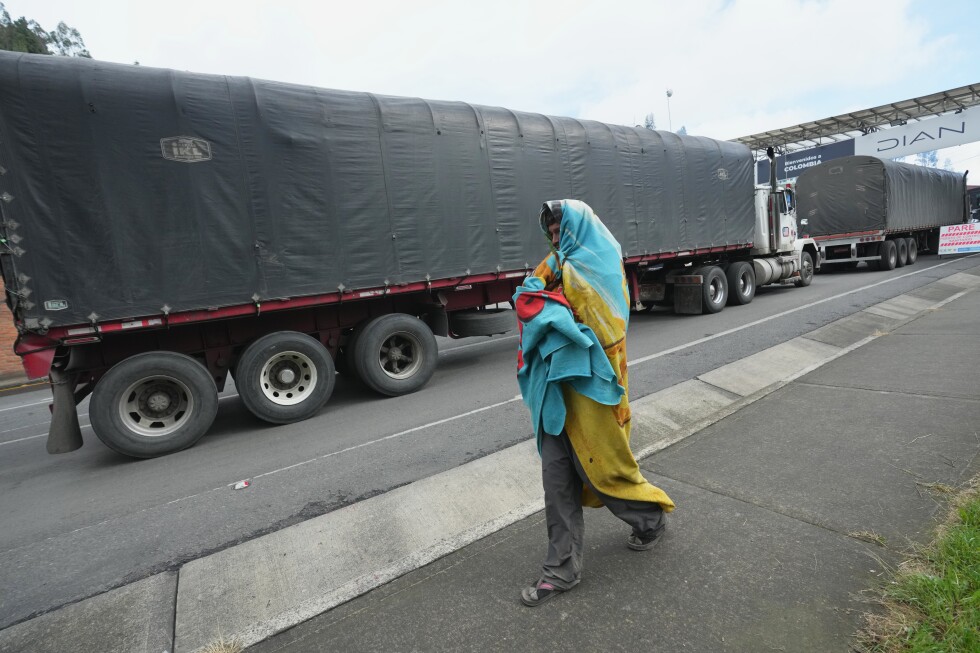
BOGOTA, Colombia — Diplomatic relations between Colombia and Ecuador have reached a critical juncture as a rapidly escalating trade war intensifies. The latest development occurred Tuesday when Colombia vehemently condemned Ecuador’s decision to implement a dramatic tenfold increase in transportation fees for Colombian oil traversing its pipeline infrastructure.
Ecuador’s Ministry of Energy announced Monday that pipeline transit fees would skyrocket from $3 to $30 per barrel, effectively creating significant economic barriers for Colombian energy companies utilizing the Trans-Ecuadorian pipeline system. This critical infrastructure transports crude from production sites in southwestern Colombia and western Ecuador to Pacific export terminals.
The punitive measure directly impacts Colombia’s state-owned energy giant Ecopetrol, which currently moves over 12,000 barrels daily through the affected pipeline network. Colombian Energy Minister Edwin Palma characterized the fee hike as “a new aggression against the people,” signaling deteriorating bilateral relations.
This energy infrastructure confrontation follows Colombia’s recent suspension of electricity exports to its neighbor, a move that created severe power reliability issues for Ecuador. The electricity-dependent nation has struggled with grid stability throughout 2024 due to drought conditions affecting hydroelectric generation.
The current trade dispute originated last Thursday when Ecuadorian President Daniel Noboa imposed sweeping 30% tariffs on all Colombian imports. Noboa, a conservative leader seeking strengthened ties with the Trump administration, defended the tariffs as a necessary “security tax” until Colombia demonstrates “true commitment” to combating cross-border drug trafficking and illegal mining operations.
Colombian officials have rejected these allegations, highlighting record cocaine interdiction rates under President Gustavo Petro’s administration. Despite enforcement successes, coca cultivation and production metrics continue reaching unprecedented levels due to enhanced processing efficiency and expanded planting.
In retaliatory measures, Colombia implemented mirroring 30% tariffs on Ecuadorian goods. The economic confrontation threatens a bilateral trade relationship valued at $2.3 billion annually, with Colombia exporting approximately $1.7 billion in goods to its smaller neighbor.
Political analysts suggest President Noboa may be using the trade conflict to divert attention from Ecuador’s domestic security crisis. Recently published crime statistics reveal the nation’s homicide rate has reached 50 per 100,000 residents in 2025—the highest in its modern history and a fivefold increase since 2020. The violence stems from international drug cartels battling for control of Ecuador’s strategic ports, transforming the once-tranquil nation into a major cocaine transit hub.