A catastrophic drought gripping northeastern Kenya has precipitated a severe humanitarian emergency, with villagers reporting total livestock losses and mounting fears for child survival. In Mandera County, a region bordering Ethiopia and Somalia that has recorded no precipitation since May, residents are undertaking the grim task of transporting deceased animals to distant burning sites to mitigate health hazards from decaying carcasses and scavenging hyenas.
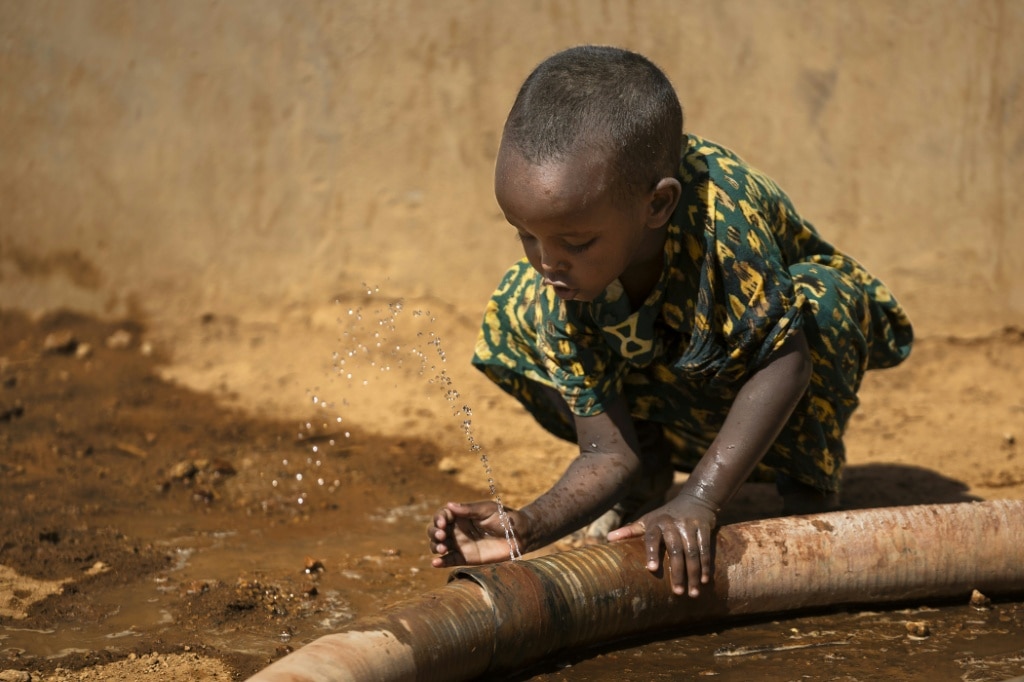
Bishar Maalim Mohammed, a 60-year-old resident of Tawakal village, represents the devastating reality: “I have lost all my cows and goats, and burned them here.” The pastoralist community, which depends entirely on livestock for sustenance, watches helplessly as even surviving animals collapse from severe dehydration. Nearby Banissa’s artificial reservoir, once holding 60,000 cubic meters of water, now stands completely barren, transformed into an ad-hoc playground for children.
The crisis extends beyond livestock. Herders now guide remaining animals on grueling 30-kilometer treks to the nearest functional water source at Lulis village, where officials implement strict rationing. “In two weeks this water will be finished… we are in a very bad state,” lamented Aden Hussein, a 40-year-old local resident.
National authorities report over two million people across 23 Kenyan counties face acute food insecurity following the failed October-December rainy season, which delivered rainfall at two-thirds below average levels. The National Drought Management Authority has placed nine counties on high alert, with Mandera County at the critical “alarm” phase—one step from official emergency declaration.
The Famine Early Warning Systems Network indicates between 20-25 million people across Kenya, Somalia, and Ethiopia require immediate humanitarian food assistance, with drought representing the primary cause for more than half these cases.
Healthcare facilities bear witness to the unfolding tragedy. Banissa’s main hospital faces an overwhelming influx of severely malnourished children, including patients from neighboring Ethiopia. During recent observations, medical staff documented eight children suffering from acute malnutrition, including a 32-month-old girl weighing merely 4.5 kilograms. “Children are not getting an adequate diet because of this drought…they depend on camel and goat milk but there is now no milk at all,” explained Khalid Ahmed Wethow, a hospital nutritionist.
The hospital’s pediatric unit, serving approximately 200,000 people, faces critical supply shortages with only eight tins of therapeutic milk remaining. Despite increased efforts from the Kenyan government and organizations like the Red Cross, assistance programs cannot match escalating demands, particularly as Western nations reduce aid budgets.
Desperation drives extreme measures. Bishar Mohamed (unrelated to the first villager) traveled over 150 kilometers with his herd of 170 goats searching for pasture. Approximately 100 perished during the journey, with the remainder dying after his return to Hawara village. “We have tried to escape in search of better places and failed,” he stated, standing amid piles of goat carcasses.
The crisis disrupts education as well, with school enrollment in Jabi Bar village dropping by more than half as families relocate. With the next rains not anticipated before April, communities cling to hope amid devastating circumstances. As Bishara Maalim, a mother of ten in Hawara, expressed: “May God save them.”