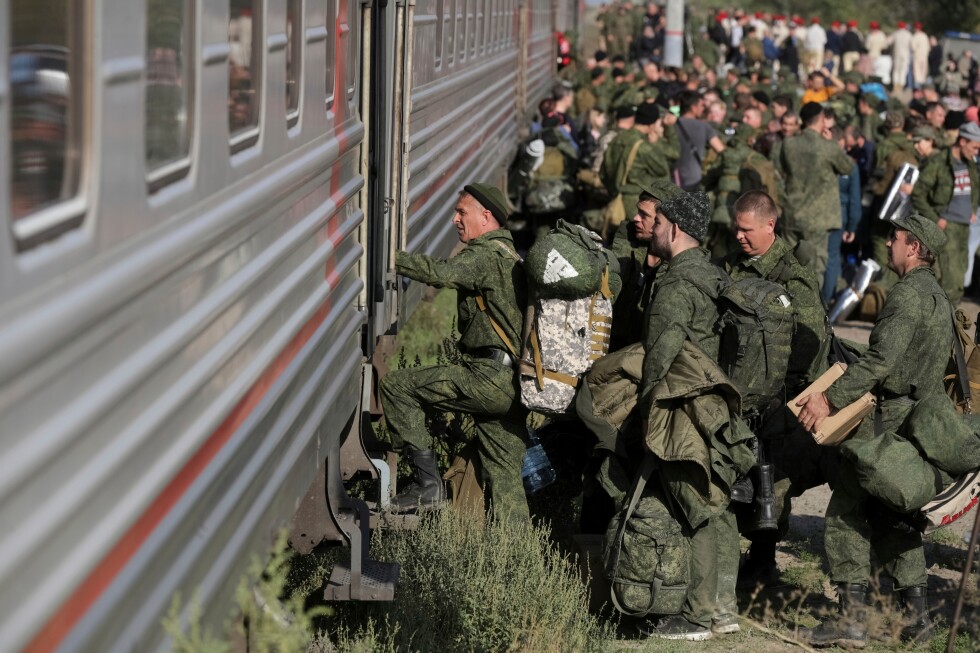
Russia has developed a multi-pronged recruitment strategy to sustain its military operations in Ukraine while avoiding another politically risky nationwide mobilization. The Kremlin’s approach leverages substantial financial incentives, immigration benefits, and questionable recruitment practices to maintain troop levels in the nearly four-year conflict.
For Russian citizens, military service offers unprecedented economic rewards. Regional authorities provide enlistment bonuses reaching approximately $50,000 in some areas—more than double the average annual income. Additional benefits include tax breaks, debt relief, and extensive perks. Despite claims of voluntary enlistment, reports indicate conscripts and prisoners face coercion to sign contracts that automatically extend indefinitely, contrary to initial fixed-term representations.
The recruitment net extends globally, targeting foreign nationals through accelerated citizenship programs and deceptive employment schemes. Citizens from India, Nepal, Bangladesh, South Africa, Iraq, Cuba, and Kenya have reported being misled into military service by traffickers promising legitimate jobs. North Korea contributed thousands of soldiers following a 2024 mutual defense treaty with Moscow, primarily deployed to defend Russia’s Kursk region.
President Vladimir Putin maintains that 700,000 troops are currently deployed in Ukraine, though independent verification remains impossible. British defense officials estimate over 1 million Russian casualties, while Mediazona and BBC researchers have documented more than 160,000 fatalities, including at least 550 foreigners from two dozen countries.
The strategy carries significant economic consequences. Analysts note that recruitment has become “extremely expensive” for Russia’s slowing economy, with foreign nationals particularly vulnerable due to language barriers, lack of military experience, and being considered “dispensable” by commanders. Despite these challenges, recruitment numbers reportedly remained strong throughout 2023-2024, with Putin claiming over 400,000 voluntary enlistments last year.