In a landmark development for global trade, Indian Prime Minister Narendra Modi announced on Tuesday the successful conclusion of a comprehensive free trade agreement between India and the European Union. This monumental pact, affecting approximately two billion people across both economies, culminates sixteen years of complex diplomatic and economic negotiations.
The agreement, characterized by both parties as the ‘mother of all deals,’ establishes one of the world’s most significant bilateral trade frameworks. The partnership encompasses an extraordinary 25% of global GDP and accounts for approximately one-third of worldwide trade activity, creating substantial opportunities for businesses and consumers across both markets.
Prime Minister Modi revealed the breakthrough during a virtual address at an energy conference, emphasizing the transformative potential of the agreement. ‘This landmark accord will generate tremendous economic benefits and strengthen strategic cooperation between our nations,’ Modi stated, highlighting the agreement’s broad economic implications.
The timing of this agreement carries particular significance as both India and the EU face escalating trade tensions with the United States, which has imposed substantial import tariffs affecting both economies. These developments have disrupted traditional trade patterns and accelerated the pursuit of alternative economic partnerships among major global players.
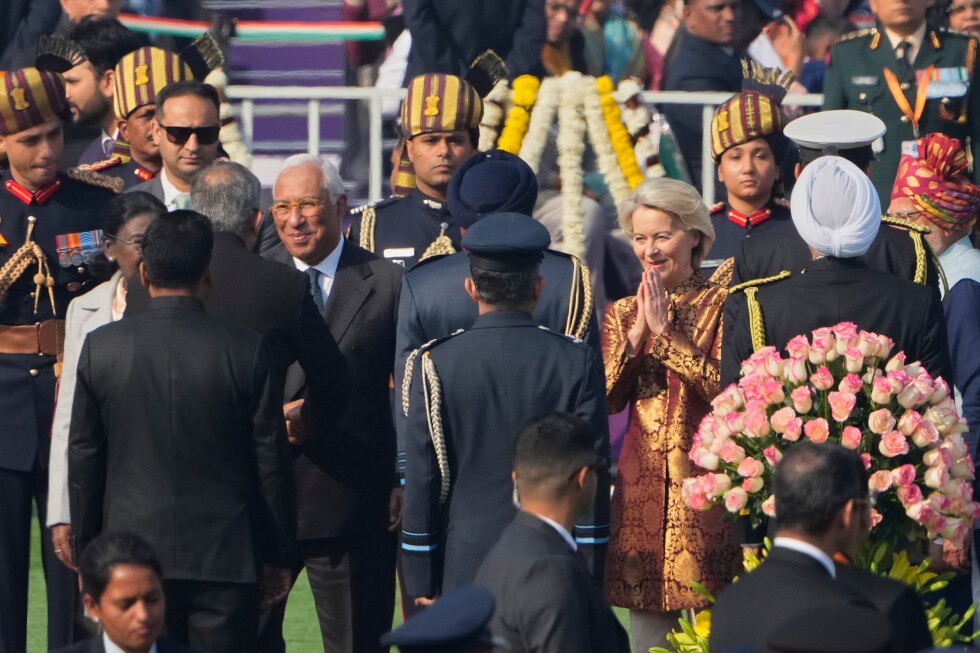
The formal announcement was scheduled to occur later Tuesday through a joint declaration involving Prime Minister Modi, European Commission President Ursula von der Leyen, and European Council President Antonio Luis Santos da Costa. This high-level participation underscores the strategic importance both sides attribute to the agreement.
Analysts suggest this agreement could reshape global trade dynamics by creating a powerful economic bloc that balances against other major trading nations while establishing new standards for international commerce in the 21st century.