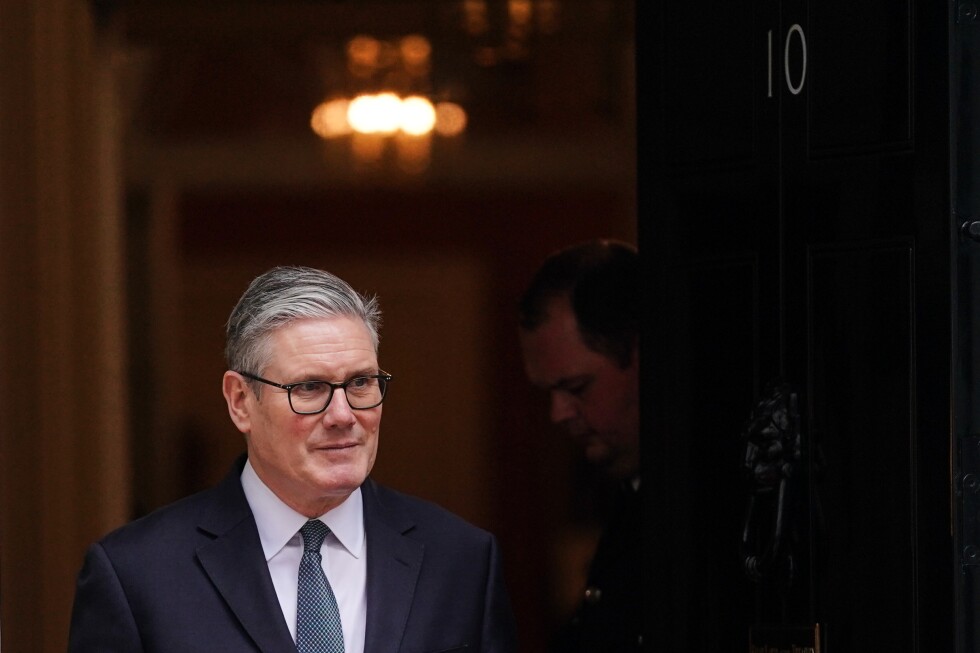
British Prime Minister Keir Starmer is embarking on a diplomatically sensitive mission to China this Wednesday, marking the first visit by a UK leader since 2018. The trip comes at a pivotal moment as Britain navigates increasingly strained relations with the United States under President Donald Trump, who has imposed tariffs and criticism on traditional allies.
Starmer’s delegation includes Business Secretary Peter Kyle and numerous corporate leaders, signaling Britain’s intent to secure Chinese technological investment and greater market access for UK financial services, automotive exports, and Scotch whisky. The Prime Minister is scheduled to meet President Xi Jinping directly, seeking to reinvigorate economic ties while managing complex security concerns.
Professor Zhao Minghao of Fudan University’s Institute of International Studies noted China’s evolving role, observing that “China is no longer just the world’s factory; it is also becoming a global market.”
The diplomatic landscape has shifted dramatically since the so-called “golden era” of UK-China relations proclaimed in 2015 by Conservative Prime Minister David Cameron. Recent years have seen relations deteriorate over Beijing’s crackdown on Hong Kong’s civil liberties, support for Russia in Ukraine, and growing concerns about espionage and economic interference.
Kerry Brown, director of the Lau China Institute at King’s College London, characterized the challenging environment: “Starmer is going to be talking to a very skeptical audience. Britain has not been very consistent in its relations with China. We have been very hot and cold.”
The Labour government, after conducting an 18-month review of China policy, promotes a doctrine of “hard-headed pragmatism”—balancing national security protection against espionage with continued diplomatic engagement and economic cooperation. This approach comes as Britain’s economy, the world’s sixth largest, requires stimulation amid stagnant growth and persistent cost-of-living pressures.
Starmer’s outreach to Beijing coincides with mounting tensions with Washington. Despite initially avoiding public criticism of Trump’s attacks on London’s mayor, British immigration policies, and his lawsuit against the BBC, Starmer recently condemned Trump’s aspirations regarding Greenland and his disparaging comments about NATO allies in Afghanistan.
This diplomatic rebalancing extends beyond Britain. Canadian Prime Minister Mark Carney recently visited Beijing, with German Chancellor Friedrich Merz scheduled to follow next month—signaling a broader trend among US allies to hedge against Washington’s unpredictability.
However, rapprochement with China carries significant risks. Trump has threatened 100% tariffs on Canadian goods following Carney’s recent trade agreement with China, suggesting similar consequences could await Britain.
Starmer also faces domestic criticism over security concerns, particularly regarding the approval of a massive 20,000-square-meter Chinese embassy near the Tower of London. Critics warn the “mega-embassy” could facilitate espionage and intimidation of dissidents. Additional controversy surrounds the agreement to transfer the Chagos Islands to Mauritius, which some fear could expand Chinese influence near a strategic UK-US military base.
Human rights considerations present further complications. Former Hong Kong Governor Chris Patten urged Starmer to firmly address issues including treatment of Uyghur minorities and the imprisonment of British citizen Jimmy Lai, a Hong Kong pro-democracy activist.
According to Brown, the visit will likely be deemed successful if it secures substantial Chinese investment while avoiding major political pitfalls, establishing “consistency, a bit more predictability” in bilateral relations: “Friends where we can be friends, otherwise agree to disagree.”