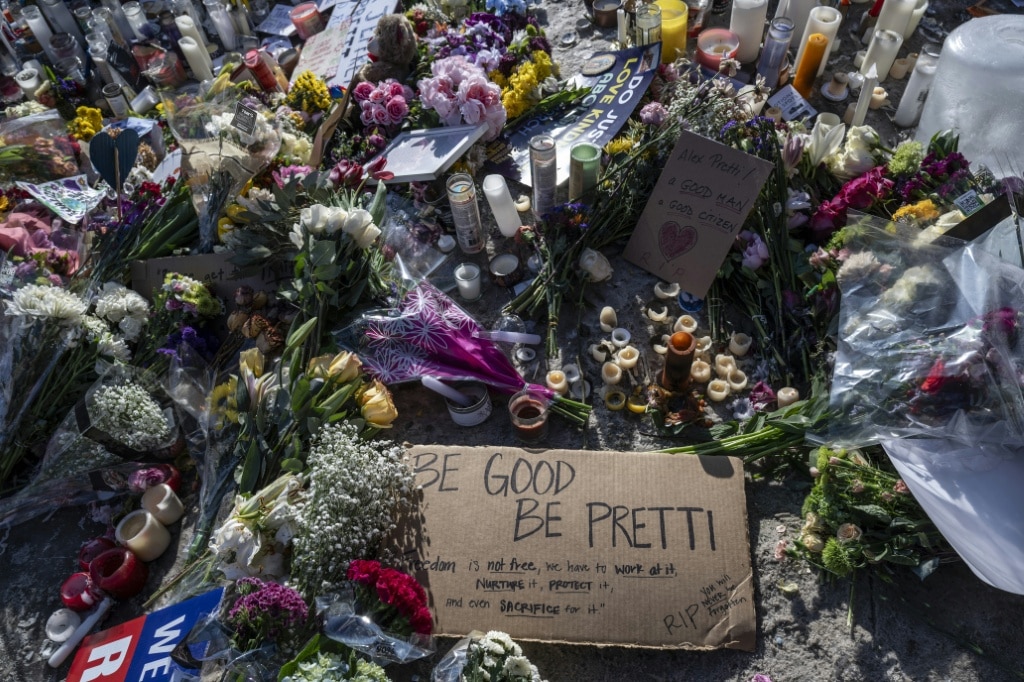
Minneapolis has become the focal point of a heated national debate regarding federal immigration enforcement tactics following the fatal shooting of two civilians by federal agents. The deaths of Renee Good and Alex Pretti, both 37-year-old U.S. citizens, have triggered widespread condemnation and intensified scrutiny of agent training protocols and operational procedures.
Political leaders across party lines have expressed grave concerns. Alaska Republican Senator Lisa Murkowski stated the incident raises serious questions about training adequacy within immigration enforcement. Minnesota’s Democratic Governor Tim Walz demanded the immediate withdrawal of approximately 3,000 federal agents from the state, asserting they lack proper training for urban operations.
The controversy emerges amid a massive expansion of Immigration and Customs Enforcement (ICE) and Customs and Border Patrol (CBP) forces. Department of Homeland Security figures indicate agent numbers have more than doubled from 10,000 to 22,000, fueled by Congressional funding increases and recruitment incentives including $50,000 signing bonuses.
This rapid expansion has prompted significant training modifications. The standard preparation course has been reduced from five months to just 42 days through what DHS describes as ‘streamlined training’ eliminating redundancy while incorporating technological advancements. The agency maintains the condensed program covers essential components including arrest techniques, defensive tactics, conflict management, de-escalation methods, firearms proficiency, and use-of-force policies.
Critics argue the abbreviated training leaves agents unprepared for complex urban environments. A report in The Atlantic suggested many recently hired agents might not have met standards under traditional hiring processes, with some appearing physically unsuited for demanding field operations.
Despite training concerns, authorities confirmed the agents involved in the Minneapolis shootings were experienced personnel with multiple years of service. This contradiction highlights deeper systemic issues according to former acting ICE director John Sandweg, who served under the Obama administration. Sandweg noted that deploying border patrol agents accustomed to remote desert operations into urban protest environments creates high-risk situations where distinguishing between protected First Amendment activities and illegal obstruction becomes critically challenging.
The ongoing presence of masked federal agents conducting patrols and raids in Minneapolis continues despite protests from local officials and residents who describe the tactics as constituting occupation rather than effective law enforcement.