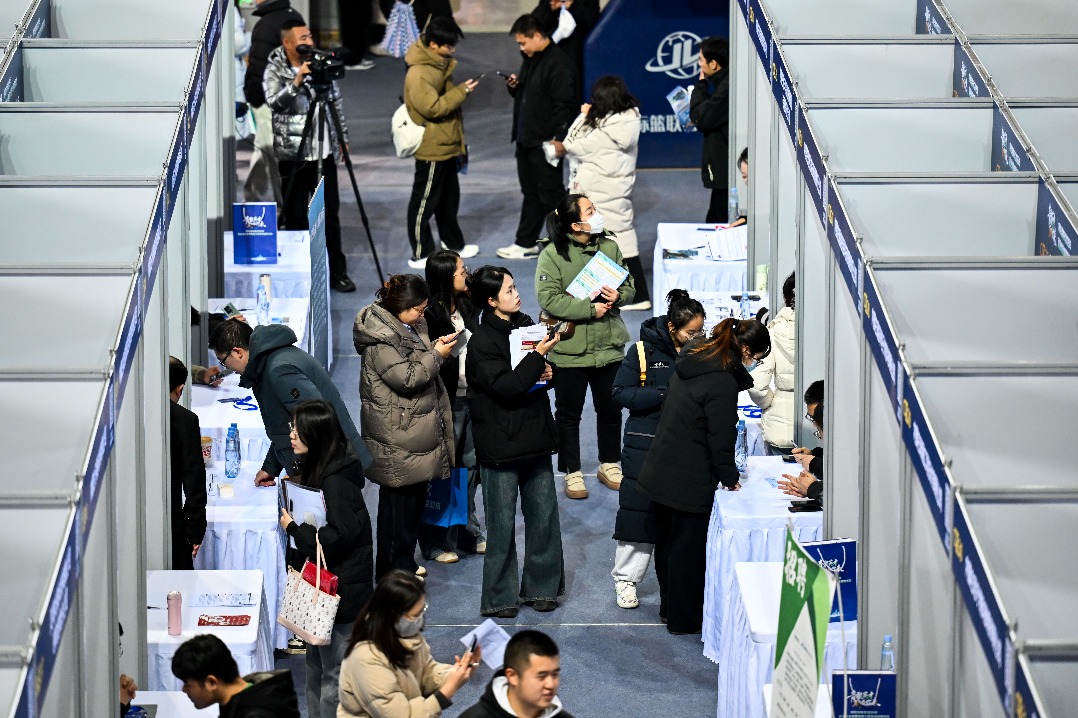
The Chinese government is formulating comprehensive policy measures to mitigate artificial intelligence’s disruptive impact on employment markets while harnessing technological advancements for economic growth. According to announcements from the Ministry of Human Resources and Social Security, these forthcoming documents will establish frameworks for workforce adaptation during the AI transition period.
The strategic initiative addresses growing concerns about automation’s potential to displace workers across multiple sectors. Rather than resisting technological progress, the policy approach emphasizes creating synergies between AI development and employment stability. The ministry’s announcement indicates China will pursue balanced development where technological innovation complements rather than replaces human workers.
Key components of the policy package include retraining programs for vulnerable occupations, incentives for companies that combine AI implementation with workforce expansion, and social protection measures for workers during transition periods. The government is particularly focused on developing new employment opportunities that emerge alongside AI technologies, ensuring that productivity gains benefit both businesses and employees.
This proactive stance reflects China’s broader strategy of managing technological disruption through policy intervention. The ministry emphasized that while AI presents challenges, it also creates new categories of jobs and industries that will require strategic preparation and workforce development. The policy documents will provide guidelines for educational institutions, private enterprises, and local governments to collaboratively address the employment implications of AI adoption.
The timing of this announcement coincides with accelerated AI integration across China’s manufacturing, service, and technology sectors, making workforce planning an urgent governmental priority.