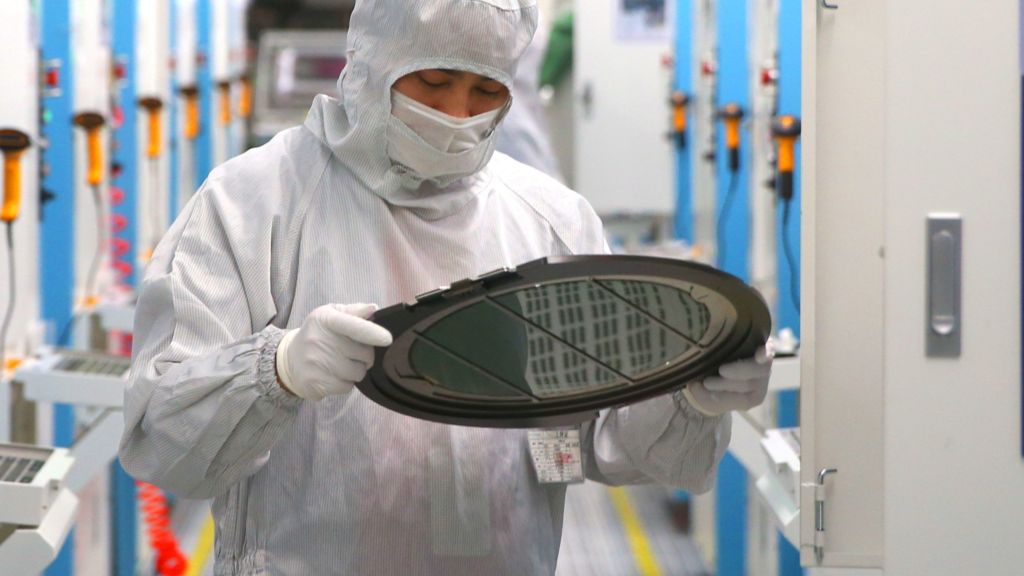
India’s technological landscape is undergoing a significant transformation as the nation strategically develops its domestic semiconductor industry. This initiative, catalyzed by global supply chain disruptions during the COVID-19 pandemic, represents a crucial step toward technological self-reliance.
Bangalore-based Tejas Networks exemplifies India’s existing strengths in semiconductor design. As a leading provider of telecommunications equipment, the company designs specialized chips that power mobile networks and broadband connections. “Telecom chips are fundamentally different from consumer or smartphone chips,” explains Arnob Roy, Tejas Networks co-founder. “They handle massive volumes of data coming simultaneously from hundreds of thousands of users with absolute reliability requirements.”
India already possesses remarkable design capabilities, with an estimated 20% of the world’s semiconductor engineers working within its borders. “Almost every major global chip company has its largest or second-largest design centre in India,” confirms Amitesh Kumar Sinha, Joint Secretary of India’s Ministry of Electronics and Information Technology.
The nation’s vulnerability emerged during the pandemic when manufacturing dependencies became apparent. “Covid showed us how fragile global supply chains can be,” Sinha notes. “If one part of the world shuts down, electronics manufacturing everywhere is disrupted.”
India’s strategy focuses initially on the Outsourced Semiconductor Assembly and Test (OSAT) segment rather than competing directly in wafer fabrication dominated by Taiwan and China. “Assembly, test and packaging are easier to start than fabs,” explains Ashok Chandak, president of India Electronics and Semiconductor Association. “That is where India is moving first.”
Kaynes Semicon, established in 2023, represents the vanguard of this initiative. The company has invested $260 million in a Gujarat facility that began production in November. Rather than targeting advanced AI chips, Kaynes focuses on practical applications. “These are not glamorous chips, but they are economically and strategically far more important for India,” says CEO Raghu Panicker. “We’re producing chips for cars, telecoms and the defense industry.”
The journey involves substantial challenges, particularly in workforce development. “Training takes time,” Panicker emphasizes. “You cannot shortcut five years of experience into six months. That is the single biggest bottleneck.”
Despite these hurdles, industry leaders remain optimistic about India’s semiconductor future. Roy anticipates that “over the next decade, a significant semiconductor manufacturing base will emerge in India.” This development, while requiring “patient capital and time,” marks the beginning of India’s strategic move toward technological independence in critical electronics components.