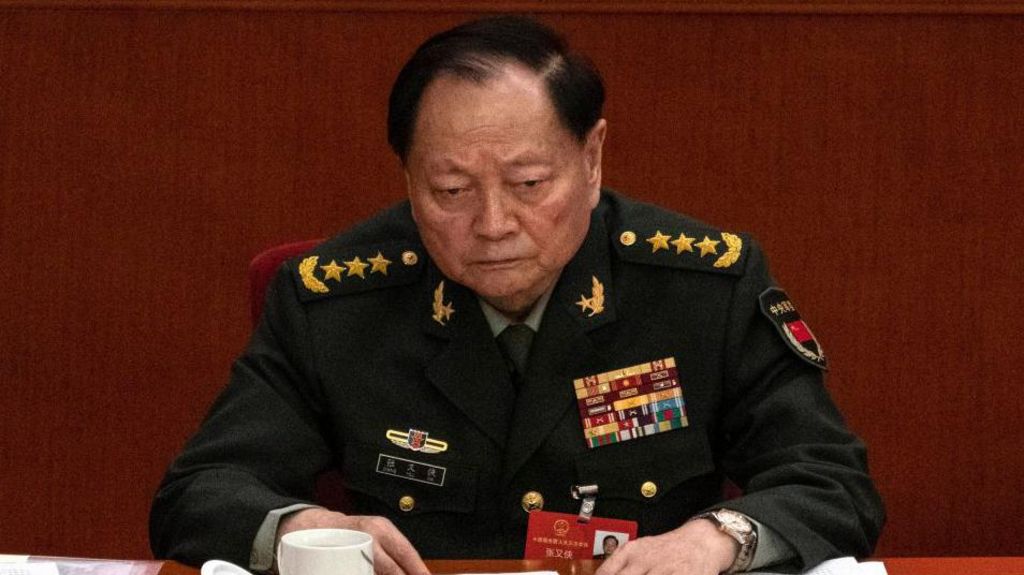
China’s military command structure faces unprecedented turmoil following the dramatic removal of two top generals from the Central Military Commission (CMC), raising serious questions about leadership stability and combat readiness.
General Zhang Youxia, 75, formerly vice-chairman of the powerful CMC, and General Liu Zhenli have been placed under investigation for “serious violations of discipline and law”—the Communist Party’s standard euphemism for corruption allegations. This development has reduced the CMC’s membership to just two individuals: President Xi Jinping himself and General Zhang Shengmin.
The sweeping purge represents the most significant shakeup in China’s military leadership in recent history. The CMC, typically comprising approximately seven members, exercises ultimate control over the People’s Liberation Army’s millions of personnel. Its authority is so considerable that former leader Deng Xiaoping maintained his grip on power primarily through his chairmanship of this body.
Lyle Morris of the Asia Society Policy Institute characterized the situation as unprecedented, stating, “The PLA is in disarray” and facing “a major leadership void.” The removal of Zhang Youxia carries particular significance given his combat experience and longstanding personal connection to Xi—his father fought alongside Xi’s father during China’s revolutionary period.
While official channels attribute the dismissals to corruption investigations, analysts suggest broader political motivations may be at play. Associate Professor Chong Ja Ian from the National University of Singapore noted widespread speculation ranging from leaked nuclear secrets to coup plotting and even rumors of armed confrontation in Beijing.
The PLA Daily editorialized strongly on the matter, emphasizing the party’s “zero tolerance” approach to corruption regardless of position or status. Historical precedent suggests that officials once placed under investigation almost invariably face custodial sentences.
This leadership crisis emerges amid heightened tensions regarding Taiwan, with Beijing increasingly threatening military action against the self-governing island. Analysts diverge on how the purge might affect China’s operational capabilities, though most agree it centralizes decision-making further around Xi personally.
The ongoing turmoil creates a climate of suspicion within military ranks, potentially affecting operational decision-making and creating reluctance among mid-ranking officers to advance into positions now perceived as dangerously exposed to political scrutiny.