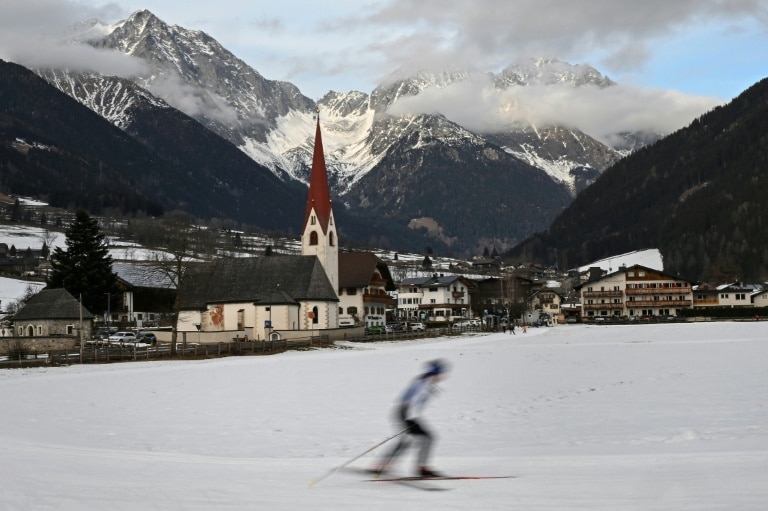
The Milan-Cortina 2026 Winter Olympics have received a meteorological reprieve as substantial natural snowfall blanketed competition venues in the Italian Alps, alleviating concerns about spring-like conditions during the winter sports spectacle. Meteorological expert Mattia Gussoni confirmed the timely precipitation less than two weeks before the February 6 opening ceremony, with venues from Bormio to the Antholz valley experiencing intense snowfall.
The Games, scheduled from February 6-22 across northern Italy’s mountain regions, will utilize venues situated between 1,200 and 1,800 meters above sea level in the Dolomites—elevations that historically guaranteed reliable snow cover. However, climate change has reduced Alpine snowpack by 50% over the past century, creating apprehension among organizers about adequate winter conditions.
Despite the natural snowfall, organizers will still employ artificial snow production systems. The 2026 organizing committee plans to generate 2.4 million cubic meters of artificial snow requiring approximately 948,000 cubic meters of water—significantly less than the 890,000 cubic meters used solely for alpine skiing at the 2022 Beijing Winter Olympics, with an additional 1.9 million cubic meters deployed for other snow sports.
International skiing and biathlon federations mandate snow production equipment availability at all competition venues. Meteorologists remain cautiously optimistic about long-term conditions throughout the Games, noting the changeable nature of extended weather forecasts and the difficulty predicting snowfall patterns across the multi-week event.