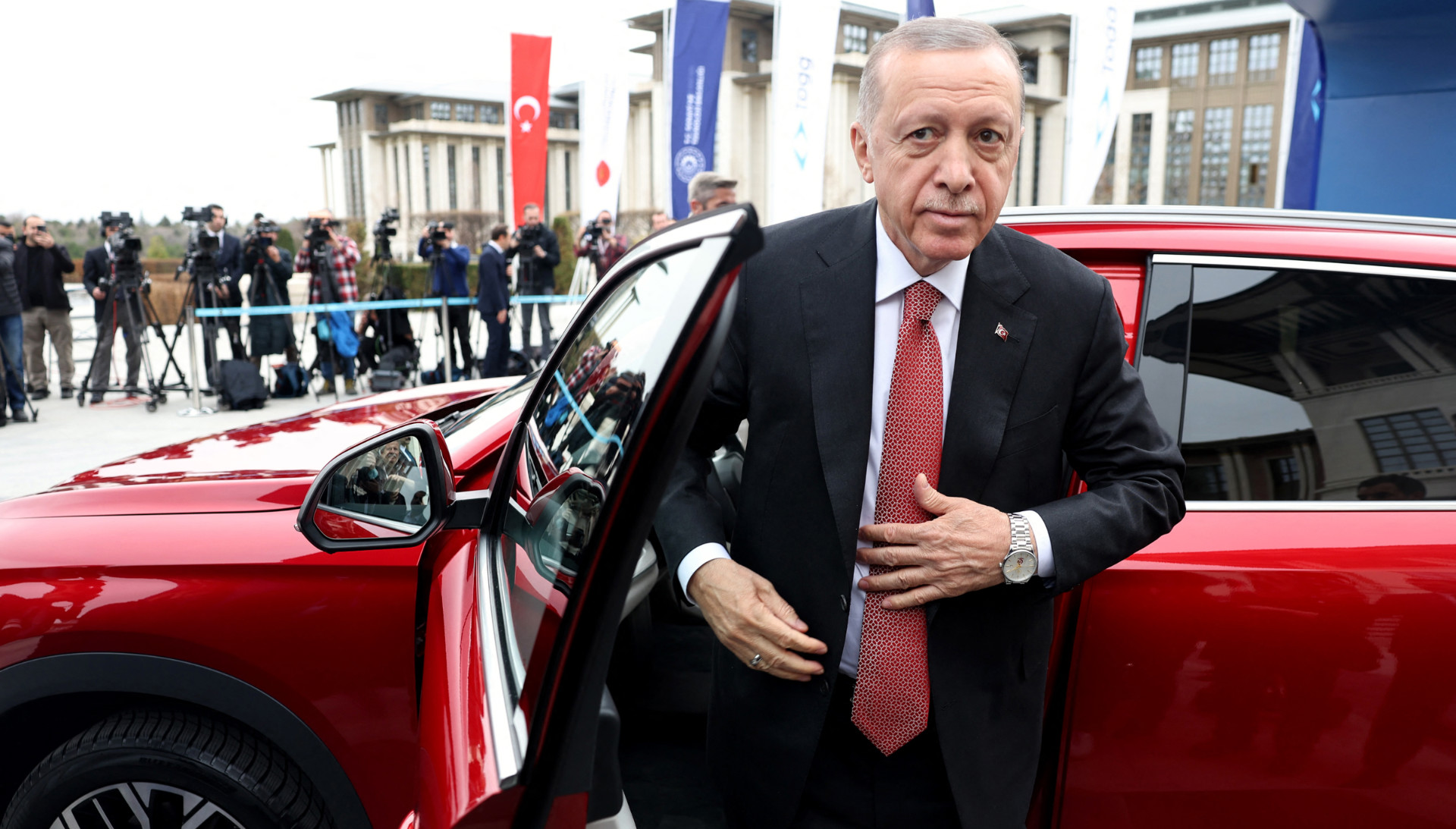
Turkish President Recep Tayyip Erdogan has formally escalated concerns regarding proposed European Union procurement regulations that would disadvantage non-EU manufacturers, warning of significant consequences for regional economic integration. In a diplomatic letter dated December 4th to European Commission leadership, Erdogan expressed apprehension that draft legislation prioritizing ‘Made in Europe’ products in public procurement could fundamentally undermine the EU-Turkey Customs Union established in 1995.
The contested regulations would establish minimum local-content requirements for green technology procurement including electric vehicles, batteries, and renewable energy components. This policy shift would deprioritize lowest-cost bidding in favor of European-origin products, effectively excluding Turkish manufacturers from competitive participation in EU public contracts.
Industry analysts highlight the substantial stakes for Turkey’s automotive sector, which exported approximately $30 billion worth of vehicles and components to EU markets in 2025, representing 72% of Turkey’s total automotive exports. The customs agreement currently covers industrial goods and processed agricultural products but excludes services, agriculture, and digital trade sectors.
The draft legislation’s definition of ‘Made in Europe’ encompasses EU member states and European Economic Area countries (Iceland, Norway, and Liechtenstein) while explicitly excluding Turkey. Though the proposal acknowledges exemptions for countries with existing free trade agreements, it remains uncertain whether Turkey’s unique customs union status would qualify.
Diplomatic sources indicate the legislation remains subject to ratification processes that could require several months of negotiation within European parliamentary bodies. Officials familiar with the matter suggest potential flexibility for accommodations given Turkey’s deeply integrated supply chains with European manufacturers.
Business representatives argue the proposed regulations would effectively terminate customs union benefits for critical Turkish industries, particularly automotive suppliers whose growth has been fundamentally tied to EU market access. Experts urge Turkish companies to enhance direct lobbying efforts in European capitals to protect their commercial interests.