A US-based human rights organization has reported that nearly 6,000 individuals have been confirmed dead during widespread protests in Iran, while Tehran issued stern warnings against American intervention in its internal affairs. The Human Rights Activists News Agency (HRANA) disclosed on Monday that its verified death toll had reached 5,848, including 209 security personnel, with an additional 17,091 potential fatalities under investigation.
The protest movement, initially sparked by economic discontent in late December, rapidly evolved into a broad challenge against Iran’s Islamic republic system, culminating in massive street demonstrations beginning January 8. Rights organizations have condemned authorities for implementing an unprecedented crackdown, alleging security forces fired directly at protesters while maintaining an internet blackout that has persisted for 18 consecutive days.
Iranian authorities provided their first official casualty figures last week, claiming 3,117 deaths with the majority characterized as security forces or innocent bystanders killed by ‘rioters.’ Independent monitors note the internet shutdown has severely obstructed accurate documentation of casualties, with Netblocks confirming the ongoing blackout is ‘obscuring the extent of a deadly crackdown on civilians.’
The geopolitical dimension intensified as the United States deployed military assets to the region, including the aircraft carrier USS Abraham Lincoln. President Donald Trump maintained that military intervention remains ‘an option’ while stating his preference to avoid conflict. Iran’s foreign ministry responded with warnings of a ‘comprehensive and regret-inducing response to any aggression,’ with spokesman Esmaeil Baghaei asserting that American naval presence would not diminish Iran’s defensive resolve.
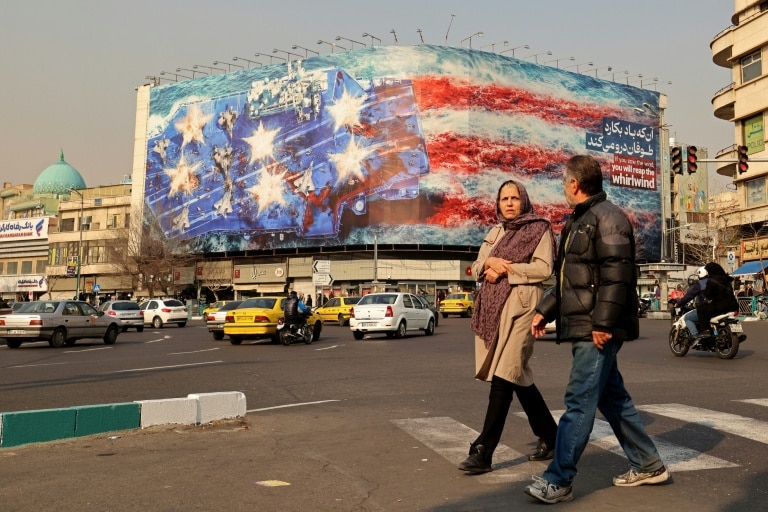
In Tehran’s Enghelab Square, new anti-American billboards depicted destroyed aircraft carriers accompanied by the prophetic warning: ‘If you sow the wind, you will reap the whirlwind.’ Supreme Leader Ayatollah Ali Khamenei, in his last public appearance on January 17, vowed authorities would ‘break the back of the seditionists.’
Meanwhile, Iran-backed Hezbollah militants in Lebanon organized rallies supporting Iran against ‘American-Zionist sabotage and threats,’ signaling regional alignment behind Tehran’s position. The convergence of domestic suppression and international posturing creates a volatile situation with implications extending beyond Iran’s borders.