The global aviation sector is witnessing a dramatic geographical shift in growth dynamics, with the United Arab Emirates, India, and Saudi Arabia emerging as the industry’s primary engines of expansion. According to forecasts from aviation lessor Avolon, airlines are projected to achieve approximately $41 billion in profits during 2026, marking the fourth consecutive year of profitability and signaling a complete departure from the pandemic-induced downturn.
The scale of ambition in these regions is unprecedented. Collectively, these three nations have placed aircraft orders exceeding 3,000 planes—more than double their current active fleets—with approximately 900 deliveries scheduled within the next three years. This massive investment reflects both booming passenger demand and strategic national initiatives centered on tourism development and enhanced global connectivity.
India’s aviation market stands out as one of the world’s fastest growing, having secured the position as the third-largest domestic aviation market globally. Indian carriers transport over 150 million passengers annually and have placed record orders for more than 1,300 aircraft, led by major carriers IndiGo and Air India. The International Air Transport Association projects sustained annual passenger traffic growth exceeding 6% through 2030, significantly outpacing global averages.
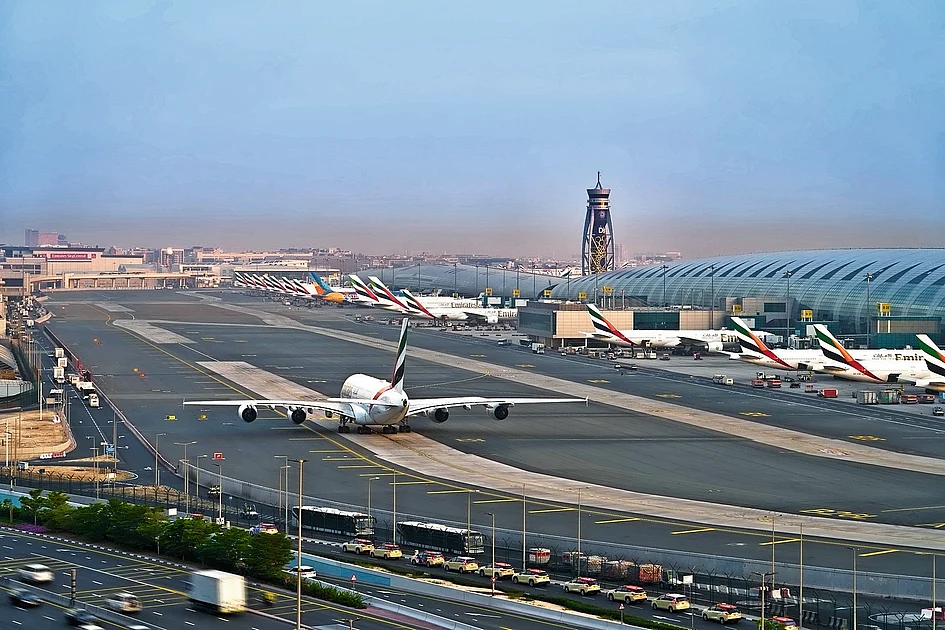
The UAE maintains its dominance as the region’s premier international hub. Dubai International Airport processed nearly 90 million passengers in 2024, retaining its status as the world’s busiest airport for international travel. Abu Dhabi has simultaneously doubled terminal capacity at Zayed International Airport. Emirates and Etihad Airways collectively operate one of the planet’s largest widebody fleets, with over 500 additional aircraft on order.
Saudi Arabia is pursuing one of the most aggressive aviation expansions globally under its Vision 2030 framework. The Kingdom aims to triple annual passenger numbers to surpass 330 million by 2030. This ambitious plan includes the establishment of new national carrier Riyadh Air, substantial fleet expansions at Saudia, and the development of King Salman International Airport designed to handle up to 120 million passengers annually.
Despite favorable conditions including reduced fuel prices—which saved the industry approximately $8 billion in 2025—significant supply constraints present challenges. Order backlogs at manufacturing giants Airbus and Boeing now extend beyond 11 years, creating intense competition for delivery slots and driving lease rates higher. Widebody aircraft are experiencing particularly severe shortages as international routes drive most global capacity growth.
The industry’s financial requirements are substantial, with global aircraft deliveries expected to reach $120 billion in value during 2026—a 20% increase from the previous year. Aviation lessors are projected to finance nearly half of these purchases, playing a crucial role in enabling fleet modernization and the transition to more fuel-efficient aircraft.
With traditional Western markets reaching maturity, industry leadership increasingly recognizes that the coming decade of aviation growth will be fundamentally shaped by developments in the Gulf and South Asia regions, where massive infrastructure investments and government-backed aviation strategies are repositioning these nations at the center of the industry’s next expansion cycle.