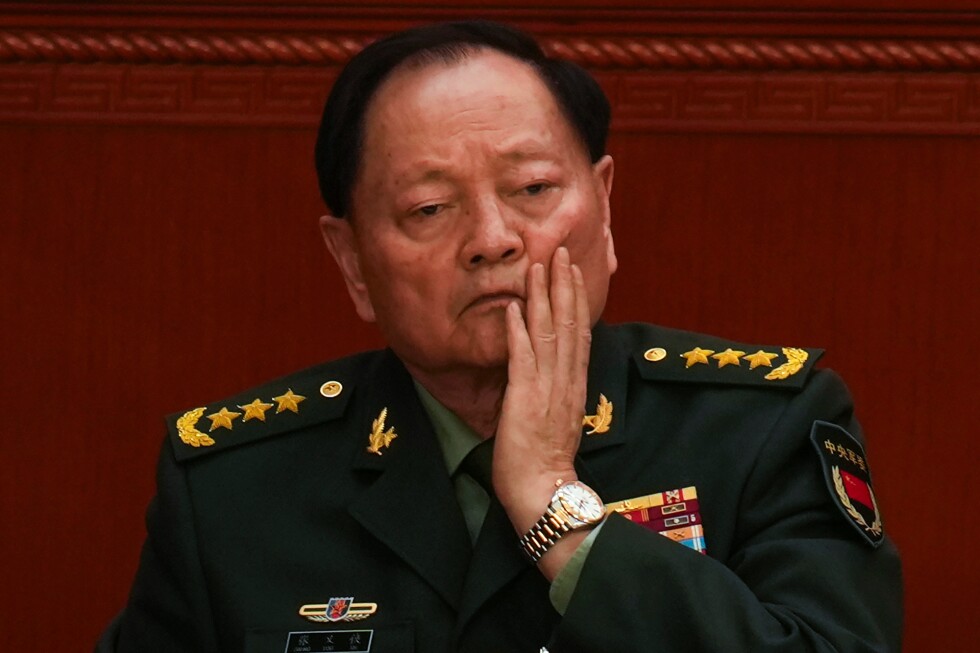
BEIJING — In an unprecedented restructuring of China’s military leadership, President Xi Jinping has initiated one of the most significant purges in the history of the People’s Liberation Army. The Chinese Defense Ministry confirmed over the weekend that authorities are investigating two senior generals for suspected serious violations of discipline and law, effectively dismantling the leadership structure of the nation’s top military body.
The investigation targets General Zhang Youxia, the senior vice chairman of the Central Military Commission, and General Liu Zhenli, who previously oversaw the military’s Joint Staff Department. This dramatic development leaves only one of the six positions on the powerful commission filled, with President Xi maintaining his role as chairman.
Analysts characterize this move as part of President Xi’s broader anti-corruption campaign that has disciplined over 200,000 officials since he assumed power in 2012. The military purge represents a strategic effort to reform the armed forces and ensure absolute loyalty to China’s leadership. This follows the October expulsion of another vice chair, He Weidong, who was subsequently replaced by Zhang Shengmin—now the sole remaining commission member besides Xi.
The specific allegations against the generals remain undisclosed, though official statements emphasize China’s commitment to rooting out corruption. An editorial in the People’s Liberation Army Daily described the investigations as demonstrating the nation’s determination to maintain military discipline, though it provided no concrete details about the nature of the violations.
International experts suggest these developments could have significant implications for China’s strategic posture, particularly regarding Taiwan. While some analysts believe the leadership turmoil might temporarily weaken China’s military readiness, others argue that long-term benefits could include a more loyal and capable command structure. The timing of these changes raises questions about potential impacts on cross-strait relations, especially given recent increased military exercises around Taiwan.
The future composition of the Central Military Commission remains uncertain, with five positions now vacant. It is unclear whether replacements will be appointed immediately or whether President Xi will wait until the 2027 Communist Party Congress when new Central Committee appointments typically occur.