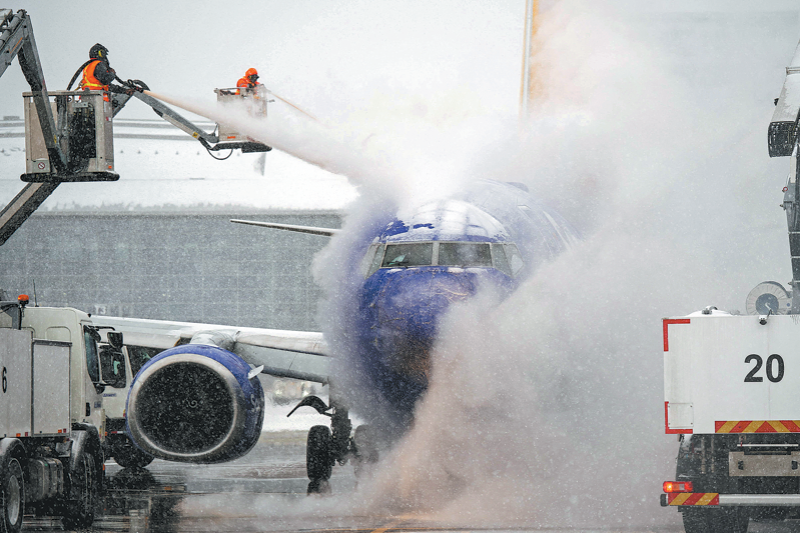
A historic winter storm of unprecedented scale has engulfed the eastern two-thirds of the United States, creating catastrophic conditions that continue to paralyze critical infrastructure. The massive weather system, described by meteorologists as potentially the most significant ice event in over a decade, has triggered federal emergency declarations across twelve states with seventeen additional states and the District of Columbia declaring weather emergencies.
The storm’s impact on the national power grid has been particularly severe, with PowerOutage.com reporting over 500,000 customers without electricity by Sunday morning. The southern states bore the brunt of the outages, with Mississippi, Texas, and Tennessee each experiencing more than 100,000 power disruptions. In response to the escalating crisis, the Department of Energy issued an emergency order authorizing Texas grid operators to deploy backup generation resources at data centers and other essential facilities to prevent complete grid collapse.
Air travel has reached near-standstill conditions with FlightAware reporting at least 13,500 canceled flights since Saturday. Aviation analytics company Cirium indicated that Sunday would mark the highest cancellation event since the pandemic, with over 29% of all departing flights axed. Major carriers including Delta Air Lines, JetBlue and United Airlines have issued widespread travel advisories, warning passengers to anticipate further cancellations and schedule changes. Critical airport hubs in Dallas-Fort Worth, Charlotte, Philadelphia and Atlanta—home to the nation’s busiest airport—face significant operational disruptions.
The National Weather Service has issued grave warnings about widespread, heavy ice accumulation across the Southeast, predicting ‘crippling to locally catastrophic impacts.’ Meteorological experts attribute the brutal conditions to a stretched polar vortex driving Arctic air across North America. While scientists continue to debate potential connections to climate change, the immediate concern remains the life-threatening cold expected to persist for up to a week after the storm passes, with wind chills in the Northern Plains and Upper Midwest potentially plunging below -45°C.
Homeland Security Secretary Kristi Noem confirmed that ‘tens of thousands of people in affected southern states have lost power’ as emergency crews work tirelessly to restore essential services amid dangerous conditions.