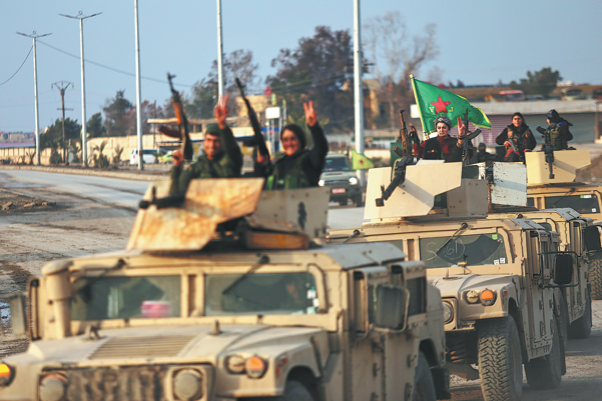
DAMASCUS — The Syrian government announced on Saturday a 15-day extension of its ceasefire agreement with Kurdish-led forces, a move intended to facilitate the complex transfer of Islamic State detainees from northeastern Syria to Iraq. The truce extension, which took effect at 11 pm local time, comes amid escalating tensions and mutual accusations of violations between the conflicting parties.
According to an official statement from Syrian defense authorities, the decision to prolong the ceasefire directly supports a US-coordinated operation to relocate IS prisoners from facilities previously administered by the Syrian Democratic Forces (SDF). This development occurs against a backdrop of heightened military preparations and logistical movements by both sides, underscoring the precarious nature of recent de-escalation efforts following weeks of intense clashes in the region.
The Syrian military operations authority leveled serious allegations against the SDF on Saturday, claiming the Kurdish forces had deployed reinforcements from Kurdistan Workers’ Party militias based in Iraq’s Qandil Mountains into Hasakah province. Syrian officials warned these movements jeopardized regional stability and represented a breach of trust.
Conversely, the SDF issued counter-accusations through an evening statement, asserting that Syrian government forces were conducting systematic military preparations around Syria’s Jazira region and near the town of Kobani. The Kurdish-led forces reported two separate attacks against their positions earlier in the day, characterizing these incidents as explicit violations of the ceasefire agreement.
Syrian Foreign Affairs official Mohammad Taha al-Ahmad expressed frustration to state media, noting that the SDF had provided no constructive response to government proposals. He accused the Kurdish administration of repeatedly exploiting truce periods to buy time and strengthen their military position.
International observers remain deeply concerned about the fragile security situation in northeastern Syria, where efforts continue to prevent the collapse of the ceasefire, secure detention facilities housing thousands of IS suspects, and avert a broader regional escalation that could further destabilize an already volatile area.