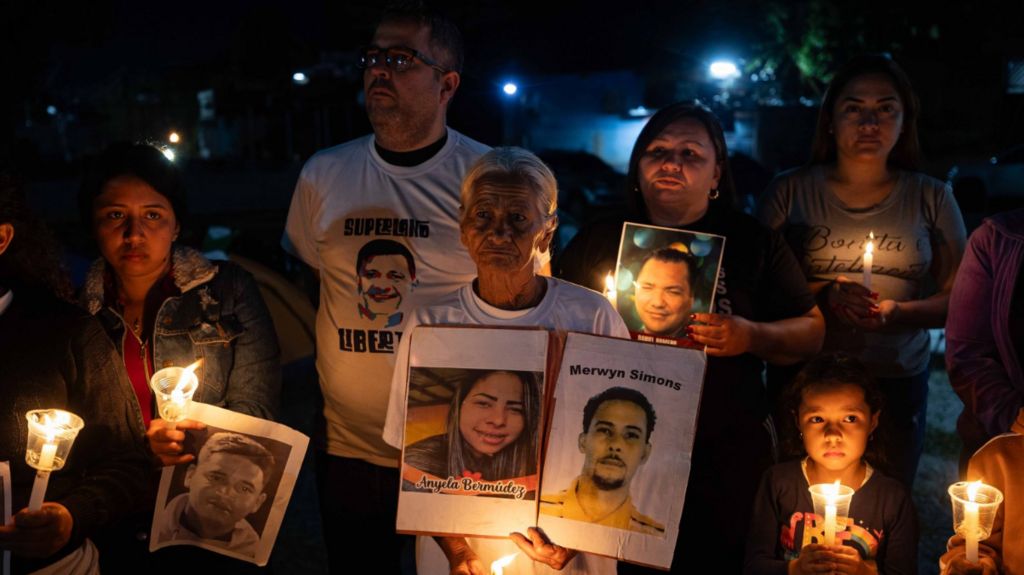
In a significant development within Venezuela’s political landscape, at least 80 individuals identified as political prisoners have been granted release following intensified pressure from the United States. The prominent human rights organization Foro Penal confirmed these releases, which occurred across multiple detention facilities on Saturday, with indications that additional discharges may follow.
This prisoner release initiative represents the most recent action taken since US forces apprehended Venezuelan President Nicolás Maduro earlier this month. Maduro currently faces trial in New York on serious drug-trafficking allegations following what has been described as a raid operation.
Alfredo Romero, director of Foro Penal, announced through social media platforms that his organization is actively verifying the identities of those freed. Among those confirmed released is Kennedy Tejeda, a colleague from Foro Penal who had been detained at Tocorón prison since August 2024. Gonzalo Himiob, another attorney with the organization, indicated on social media platform X that the number of releases might exceed 80 as verification processes continue.
The interim Venezuelan government, led by President Delcy Rodriguez, claimed on Friday that over 600 prisoners had been freed. However, Foro Penal has contested this figure, asserting it appears significantly inflated. Before this weekend’s developments, the human rights group had documented only 156 political prisoner releases since January 8th.
Notably, many previously released detainees continue to exist in a state of legal uncertainty, with charges remaining active against them and restrictions preventing public commentary. Those freed include domestic opposition figures and at least five Spanish citizens.
Interim President Rodriguez announced plans to engage with United Nations High Commissioner for Human Rights Volker Turk on Monday, seeking UN verification of the release lists. This development occurs against a backdrop of longstanding accusations from human rights organizations claiming the Venezuelan government systematically uses detention to silence critics—allegations which authorities consistently deny, maintaining that all arrests stem from criminal activities rather than political motives.
Many of those detained were taken into custody following the controversial 2024 presidential election, where Maduro’s victory claim was disputed by opposition groups and numerous international governments.