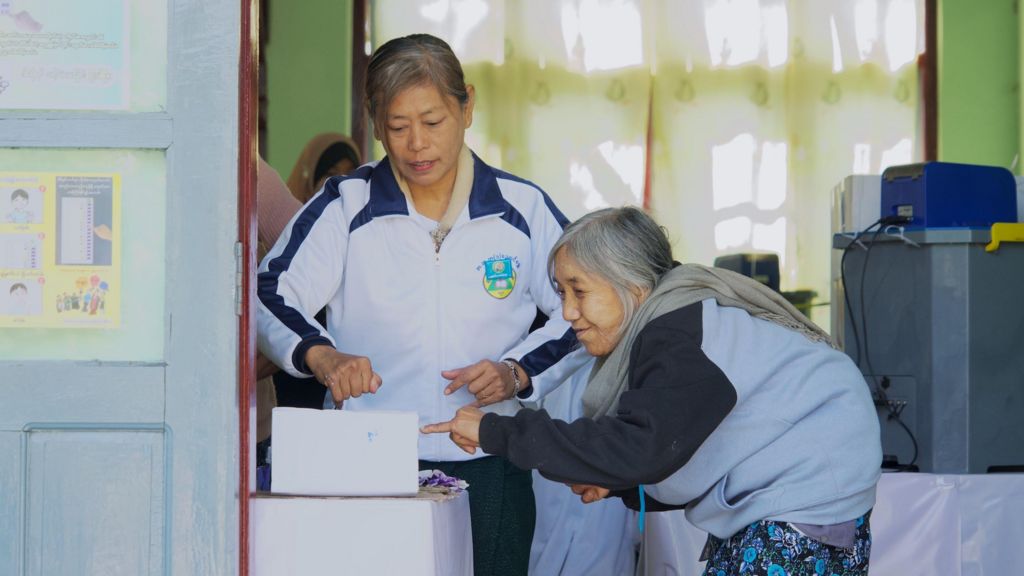
Myanmar has completed a controversial three-phase electoral process widely condemned by the international community as fundamentally undemocratic. The final voting stage concluded with participation limited to approximately one-fifth of the country’s 330 townships, including major urban centers like Yangon and Mandalay, while approximately half of the nation remained excluded from voting due to an ongoing five-year civil conflict.
The military-backed Union Solidarity and Development Party (USDP) is projected to secure a overwhelming victory, continuing the political dominance established following the 2021 military coup that overthrew the democratically elected government led by Nobel Peace Prize laureate Aung San Suu Kyi. The electoral landscape featured only six parties permitted to field candidates nationwide, with an additional 51 parties and independent candidates restricted to state and regional levels.
International observers and critics have denounced the process as fundamentally flawed, citing the exclusion of popular political parties, widespread voter intimidation, and the impossibility of genuine democratic participation in conflict-affected regions. The military junta has consistently rejected these criticisms, maintaining the election’s legitimacy and fairness.
BBC correspondents reporting from Shan State documented a climate of pervasive fear among voters, with extensive surveillance by police and military personnel creating an environment where open political discussion proved nearly impossible. Despite superficially orderly polling procedures featuring new electronic voting machines, the pre-election period was characterized by intimidation and widespread public resignation regarding the predetermined outcome.
Constitutional procedures now mandate parliament to convene within two months to appoint a new president, with coup leader General Min Aung Hlaing anticipated to assume the presidency. This transition would require him to relinquish direct military command, though his successor is expected to maintain loyalist alignment. The political shift occurs against the devastating backdrop of civil conflict that has claimed thousands of lives, displaced millions, and crippled Myanmar’s economy, with recent natural disasters and reduced international aid exacerbating humanitarian suffering.