A significant diplomatic confrontation has emerged between Palestinian advocacy organizations and the United States government following the Treasury Department’s imposition of sanctions against six Gaza-based aid groups and the Popular Conference for Palestinians Abroad (PCPA). The Treasury’s Office of Foreign Assets Control designated these entities on Wednesday, alleging they function as a “covert support network” for Hamas through its military wing, the Qassam Brigades.
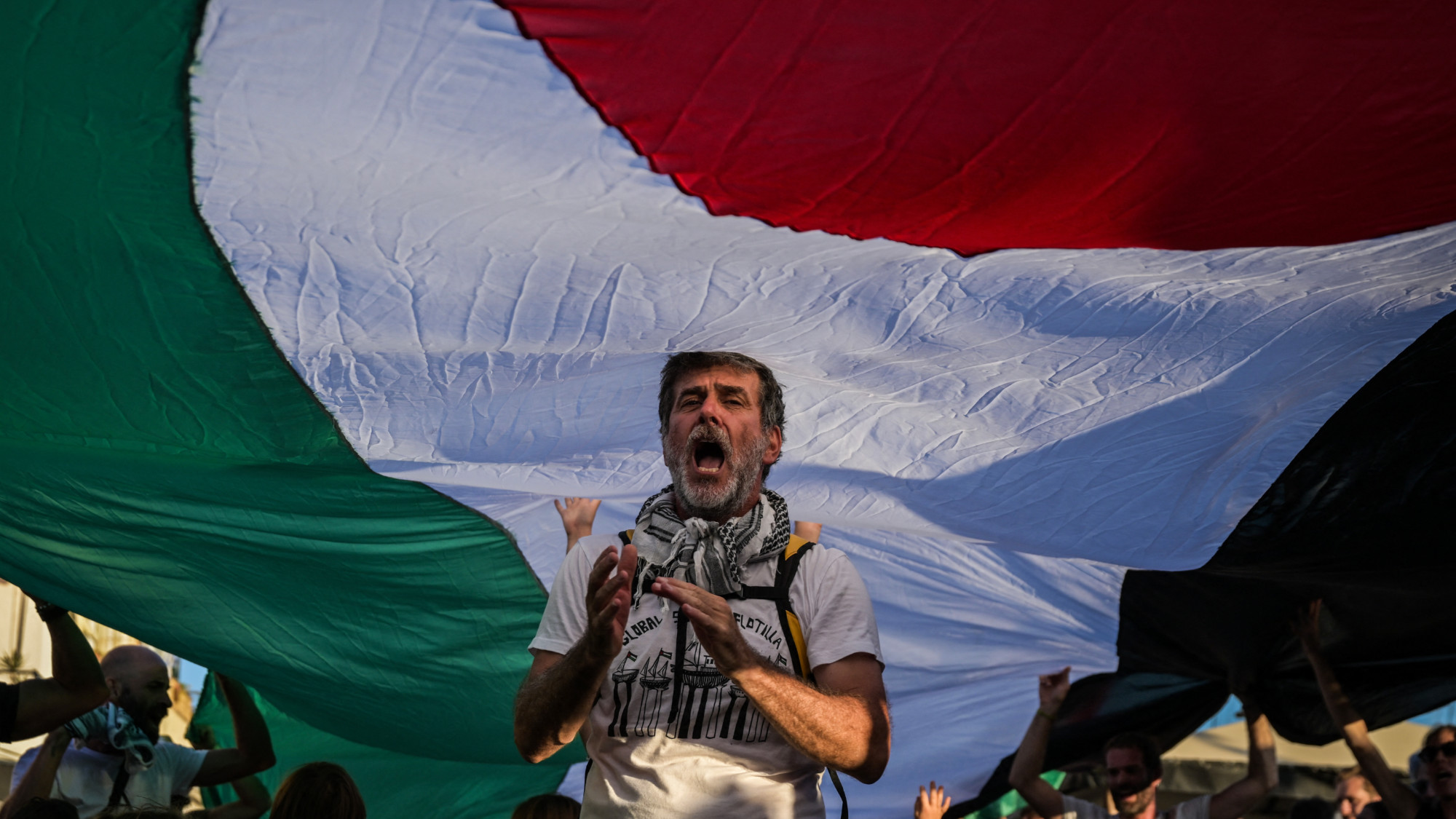
The PCPA, which coordinates humanitarian flotillas attempting to breach Israel’s long-standing blockade of Gaza, responded with forceful condemnation. In an official statement released Saturday, the organization expressed “profound dismay” and “unequivocal rejection” of the sanctions, characterizing them as “unilateral administrative measures” lacking judicial foundation or binding international authorization.
The Treasury’s announcement specifically identified the PCPA as “a front organization for Hamas that operates in accordance with Hamas directives,” citing a 2018 communication from late Hamas political leader Ismail Haniyeh that referenced the conference as instrumental to Hamas’ international outreach efforts. Zaher Birawi, the UK-based founder of PCPA, was simultaneously sanctioned.
Among the Gaza-based organizations targeted were Waed Society, Al-Nur, Qawafil, Al-Falah, Merciful Hands, and Al-Salameh. Treasury officials asserted that Hamas security personnel are formally assigned to work within several of these charities, with some organizations allegedly transferring funds directly to Hamas’ military operations.
Despite these allegations, the sanctioned groups maintain visible humanitarian missions. Their digital platforms showcase programs supporting amputees from repeated conflicts in Gaza, medical assistance for critical war injuries, food and medicine distribution, community support sessions, and advocacy campaigns for Palestinians detained in Israeli facilities.
Majed al-Zeer, PCPA’s vice president, condemned the sanctions as “a new and blind extension of US policy in absolute support of the Israeli occupation,” asserting the decision aims to restrict Palestinian rights advocacy through internationally recognized channels. The conference reaffirmed its commitment to continue peaceful, rights-based activities, declaring Palestine remains its “moral and political compass.”
The designations effectively freeze all US-based assets of these organizations and individuals while blocking their access to American banking systems, including credit card processing through Visa and Mastercard. US citizens are now prohibited from conducting transactions with these entities.
This development occurs amidst heightened international scrutiny of the humanitarian situation in Gaza and represents the latest chapter in the complex relationship between Palestinian civil society organizations and international counter-terrorism financing mechanisms.