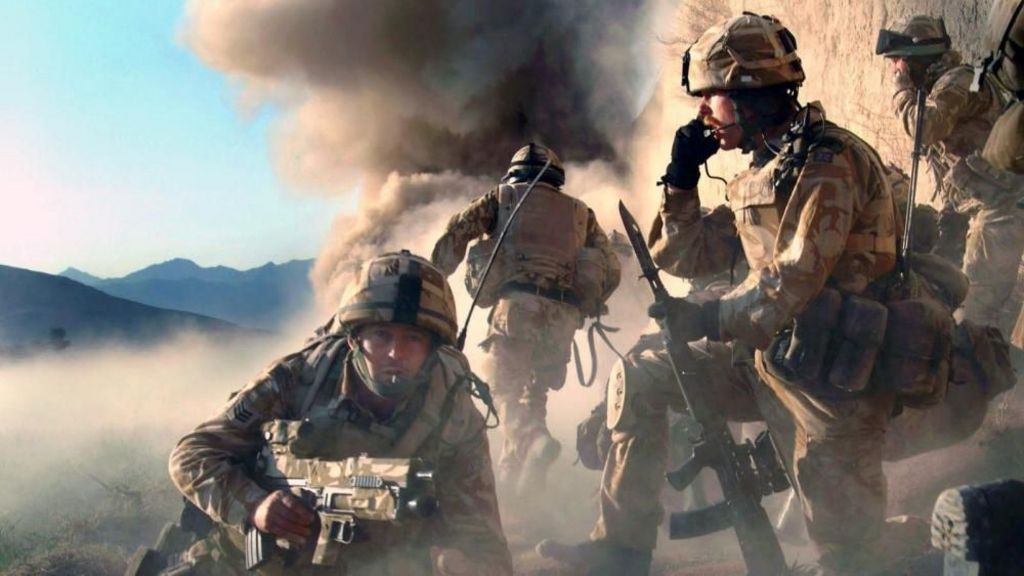
The Afghanistan deployment experience between 2001-2021 remains etched in the memories of thousands who served – from blast walls and rocket attacks to the mundane reality of canteen queues. This collective international effort began with perilous flights into Kandahar, Kabul, or Camp Bastion, where aircraft employed evasive maneuvers to avoid Taliban surface-to-air missiles.
This unprecedented military campaign marked the sole invocation of NATO’s Article 5 in the alliance’s 77-year history, triggering a multinational response to the 9/11 attacks that killed nearly 3,000 people. While the Taliban were rapidly ousted from power through joint operations involving US forces, the CIA, and Afghanistan’s Northern Alliance, the mission evolved into a protracted manhunt for al-Qaeda remnants across mountainous terrain.
The conflict’s initial phase, dubbed “Operation Enduring Freedom,” saw relative calm until late 2003 when attention shifted to Iraq. However, danger persisted constantly. Journalists documented nervous patrols by coalition forces in Soviet-era armored vehicles and experienced firsthand the Taliban’s relentless rocket attacks on remote firebases.
The war intensified dramatically after 2006 when UK forces deployed to Helmand Province. British paratroopers faced ferocious combat requiring “danger close” artillery support to prevent their bases from being overrun. For the subsequent eight years until combat operations concluded in 2014, multinational forces from Britain, Canada, Denmark, Estonia and others endured the most severe fighting in Kandahar and Helmand.
The most pervasive threat emerged from expertly concealed Improvised Explosive Devices (IEDs). Taliban fighters leveraged their intimate knowledge of the terrain to predict troop movements and place explosives at strategic crossing points. These devices catastrophically altered lives in split seconds, causing such widespread fear that soldiers prayed for below-knee rather than above-knee amputations if hit.
The remarkable resilience demonstrated by survivors who rebuilt their lives despite terrible losses stands as a testament to human endurance. Their sacrifices and bravery render recent suggestions that coalition forces avoided combat particularly offensive to those who served throughout NATO’s longest military engagement.