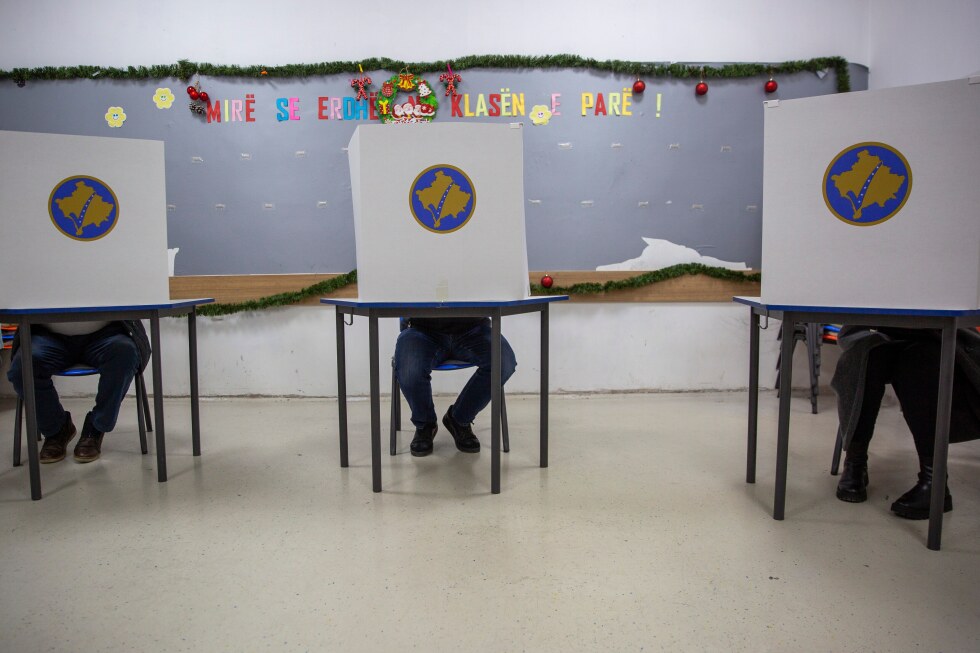
Kosovo’s political landscape faces renewed turmoil as authorities announced the detention of 109 individuals on Friday in connection with extensive electoral fraud allegations. The scandal has prompted a nationwide recount of December’s parliamentary elections, casting doubt on the integrity of the democratic process in the Balkan nation.
Prosecutors from the southern municipality of Prizren revealed that suspects face serious charges including election result falsification, coercion through threats, and systematic bribery. Chief Prosecutor Petrit Kryeziu disclosed that the alleged manipulation affected a staggering 68,017 ballots in Prizren alone, representing significant electoral interference.
The Central Election Commission mandated a comprehensive recount earlier this week following evidence of widespread irregularities. Despite the scale of suspected fraud, officials indicate the overall election outcome remains unchanged, though individual candidate results within specific parties may be altered.
Prime Minister Albin Kurti’s Vetevendosje (Self-Determination) party had secured a decisive victory with approximately 51% of votes in the December snap election. This political force had previously dominated February’s polls but failed to form a governing coalition, triggering months of political paralysis that necessitated the December revote.
The unfolding crisis threatens to prolong Kosovo’s governmental instability, potentially delaying parliamentary formation and budget approval. With a critical presidential election deadline approaching in early March, failure to meet constitutional requirements could force yet another snap election, further destabilizing the young democracy.
Kosovo, which gained independence from Serbia in 2008 following the 1998-99 conflict, continues to grapple with economic challenges as one of Europe’s poorest nations. The current political impasse complicates its aspirations for European Union integration alongside other Western Balkan states.