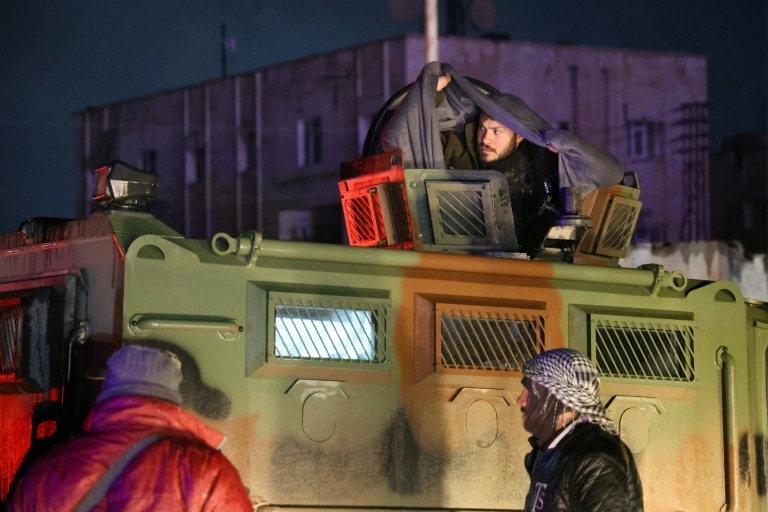
A deteriorating security situation at the Al-Hol displacement camp in northeastern Syria has prevented United Nations personnel from delivering critical humanitarian assistance. This development follows the withdrawal of Kurdish-led security forces and the subsequent deployment of the Syrian national army, creating a volatile power transition.
According to two former humanitarian workers who spoke with AFP on condition of anonymity, a significant security vacuum occurred between the Kurdish withdrawal and the army’s deployment, enabling an unspecified number of camp residents to escape. During this period, residents reportedly set fire to facilities operated by aid organizations.
The camp, which previously housed approximately 23,000 individuals including suspected Islamic State family members from multiple nationalities, represents one of the most complex humanitarian challenges stemming from the conflict against ISIS. The population includes Syrian and Iraqi nationals alongside approximately 6,200 foreign women and children from various countries.
In a parallel development, Kurdish forces completed a withdrawal from the Al-Aqtan prison near Raqa under a negotiated agreement with the Syrian government. This transfer, witnessed by AFP correspondents, involved hundreds of fighters relocating to Kurdish-held areas while ISIS detainees remained under Syrian jurisdiction.
These security rearrangements follow a broader ceasefire agreement announced January 18th between Syrian President Ahmed al-Sharaa and SDF commander Mazloum Abdi, which includes provisions for integrating Kurdish administration into the state apparatus. The United States has concurrently begun transferring ISIS detainees from Syrian to Iraqi facilities, with 150 individuals relocated thus far according to official statements.