South Africa’s Supreme Court of Appeal has delivered a landmark ruling permitting Nelson Mandela’s eldest daughter to proceed with the sale of 70 personal items belonging to the anti-apartheid icon. The court dismissed an appeal by the South African Heritage Resources Agency (Sahra) which sought to block the export and auction of these historically significant artifacts.
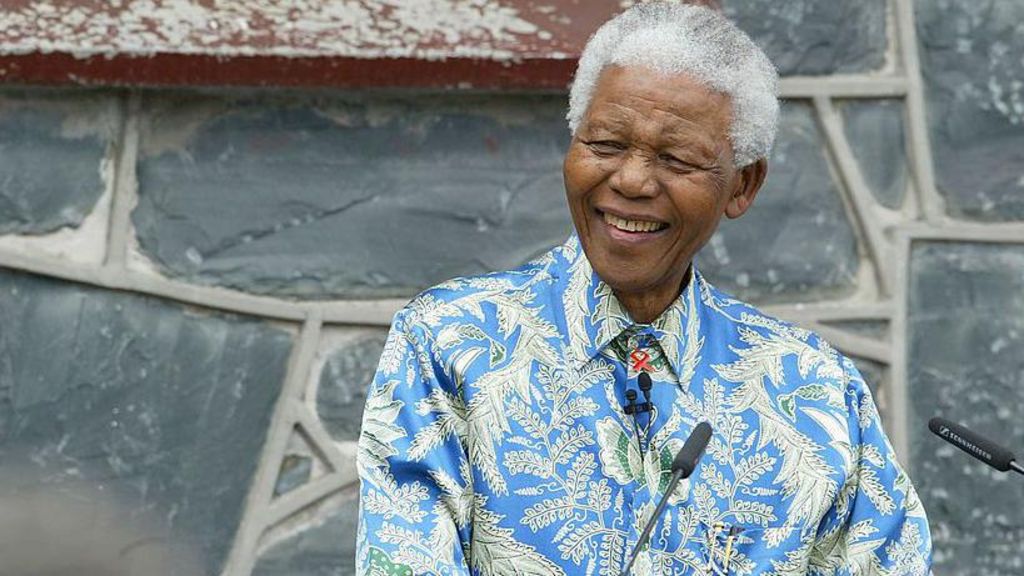
The collection includes profoundly symbolic items such as the original cell key from Robben Island where Mandela spent 18 years of his imprisonment, his signature floral shirt, Aviator sunglasses, a personally signed copy of the 1996 Constitution, and gifts from world leaders including former U.S. President Barack Obama and First Lady Michelle Obama. Other notable items comprise Mandela’s identification documents, charcoal drawings, and a tennis racquet used during his incarceration.
Makaziwe Mandela, Mandela’s daughter from his first marriage, and Christo Brand, Mandela’s former prison warden who became his close friend, jointly own these artifacts. They had planned to export the collection to the United States for auction through Guernsey’s auction house.
The court criticized Sahra for employing an ‘overly broad’ interpretation of the National Heritage Resources Act and noted the agency failed to provide substantive justification for classifying these personal items as protected national heritage. The ruling emphasized that while Sahra presented no detailed arguments, the owners provided comprehensive explanations why these objects shouldn’t be considered heritage artifacts.
Makaziwe Mandela welcomed the decision, stating she intends to use proceeds to establish a memorial garden at her father’s gravesite in Qunu, Eastern Cape. She strongly criticized Sahra for presuming ‘to know my father’s last wishes better than those who were beside him at the end – his family.’
The controversy has sparked national debate between those who believe Mandela’s artifacts should remain in South Africa as national treasures and those who argue his family should determine their disposition. It remains uncertain whether authorities will pursue additional legal avenues to prevent the sale.