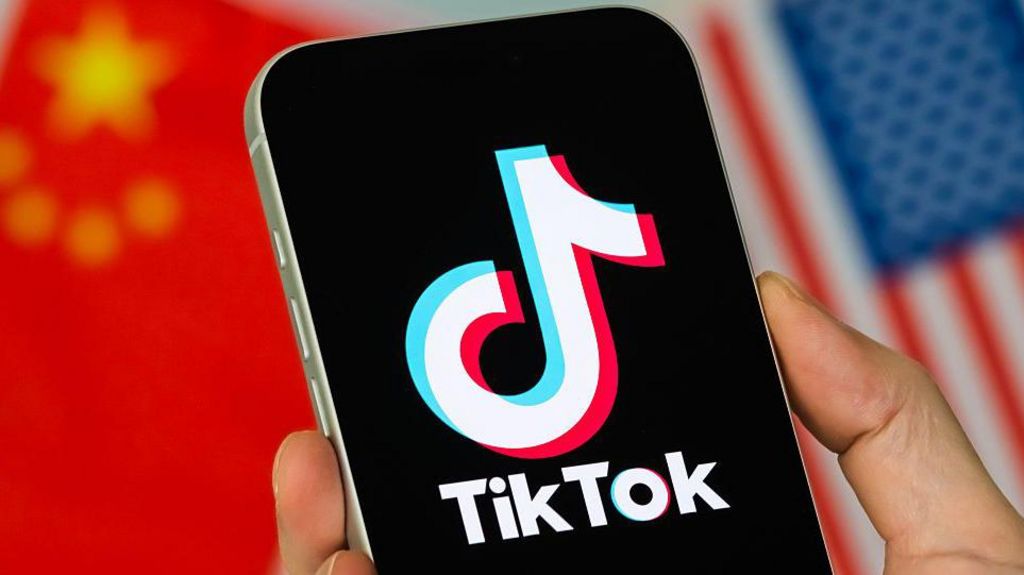
In a landmark resolution to years of geopolitical tension, TikTok has finalized a comprehensive agreement ensuring its continued operations across the United States. The breakthrough follows protracted negotiations addressing Washington’s national security concerns regarding the platform’s Chinese ownership.
The solution establishes TikTok USDS Joint Venture LLC, an independently governed entity with a majority-American board of directors. This new structure will oversee all U.S. operations through a sophisticated data protection framework. Cloud computing giant Oracle assumes critical responsibility for securing American user data and supervising the retraining of TikTok’s proprietary content recommendation algorithm within its U.S. cloud infrastructure.
Ownership distribution reveals a strategic balance: ByteDance retains a 19.9% stake while three primary U.S. investors—Oracle, Silver Lake, and Emirati AI investor MGX—each hold 15% shares. The remaining 35.1% is distributed among additional American entities including Michael Dell’s family office and Susquehanna International Group affiliate Vastmere Strategic Investments.
The agreement represents a political victory for former President Donald Trump, who announced on social media his satisfaction with preserving TikTok’s American presence. The resolution avoids the previously legislated January 2025 ban that would have taken effect had ByteDance failed to divest its U.S. operations.
While the core algorithm remains licensed from ByteDance, it will undergo retraining exclusively on U.S. user data under Oracle’s supervision. Industry analysts suggest this data localization may alter the user experience, potentially resulting in slower performance and less精准 content recommendations compared to the global version.
The settlement concludes a contentious chapter that began during the Trump administration’s initial ban attempts in 2020, intensified through Biden’s 2024 legislation, and involved temporary service interruptions during legal battles. The compromise demonstrates how major technology platforms navigate complex international relations while maintaining service to TikTok’s estimated 200 million American users.