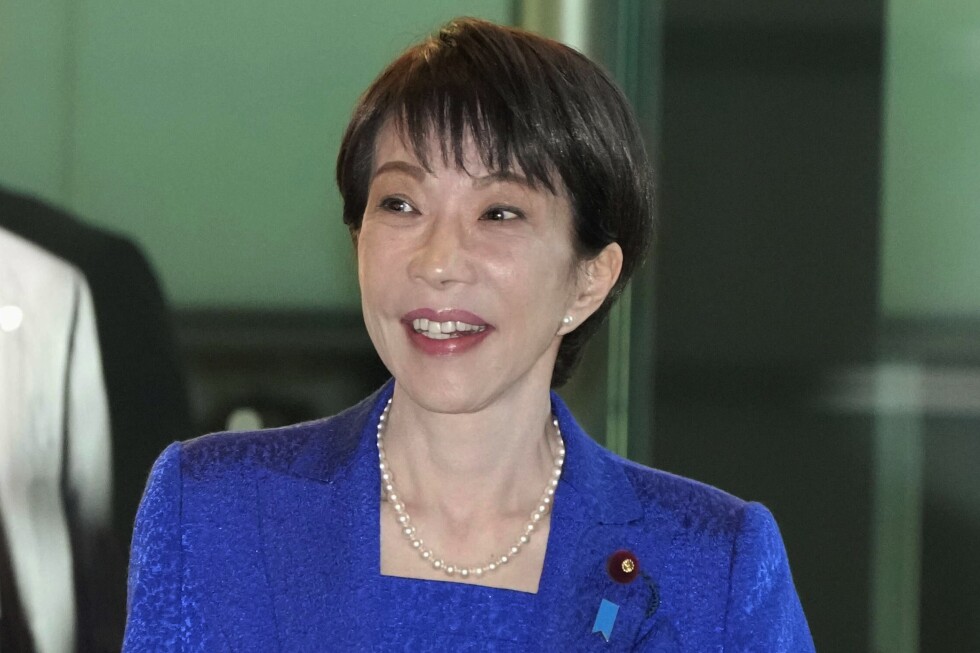
TOKYO — In a significant political maneuver, Japanese Prime Minister Sanae Takaichi formally dissolved the lower house of Parliament on Friday, setting the stage for a snap national election scheduled for February 8. This strategic decision represents an attempt by Japan’s first female leader to leverage her substantial public approval ratings, which currently stand at approximately 70%, to strengthen her governing coalition’s legislative position.
The dissolution of the 465-member lower chamber, officially announced by House Speaker Fukushiro Nukaga during Friday’s parliamentary session, initiates a condensed 12-day campaign period commencing next Tuesday. This electoral timeline will inevitably delay critical legislative proceedings, including the vote on a proposed budget designed to stimulate Japan’s struggling economy and address escalating consumer prices.
Takaichi’s Liberal Democratic Party (LDP) and its coalition partners currently maintain a fragile majority in the lower house following significant electoral setbacks in recent years. The coalition lacks majority control in the upper house, necessitating opposition support for legislative initiatives. This political vulnerability has prompted Takaichi to seek a stronger mandate through early elections.
Opposition leaders have criticized the timing of the dissolution, arguing it unnecessarily postpones essential economic measures. At a Monday press conference, Takaichi defended her decision, stating, “I believe the sovereign citizens must determine whether I should continue as prime minister. I am staking my entire political career on this election.”
The Prime Minister intends to highlight policy contrasts with her centrist predecessor, Shigeru Ishiba, particularly regarding her administration’s fiscal spending initiatives, military expansion plans, and stricter immigration policies. However, the LDP continues to grapple with the aftermath of political funding scandals that have eroded its traditional support base, with many conservative voters shifting allegiance to emerging far-right populist parties like the anti-globalist Sanseito.
International dimensions further complicate the political landscape. Takaichi’s recent pro-Taiwan remarks have intensified diplomatic tensions with China, triggering economic and diplomatic repercussions from Beijing. Simultaneously, the administration faces pressure from U.S. President Donald Trump to increase defense spending as both Washington and Beijing pursue military superiority in the region.