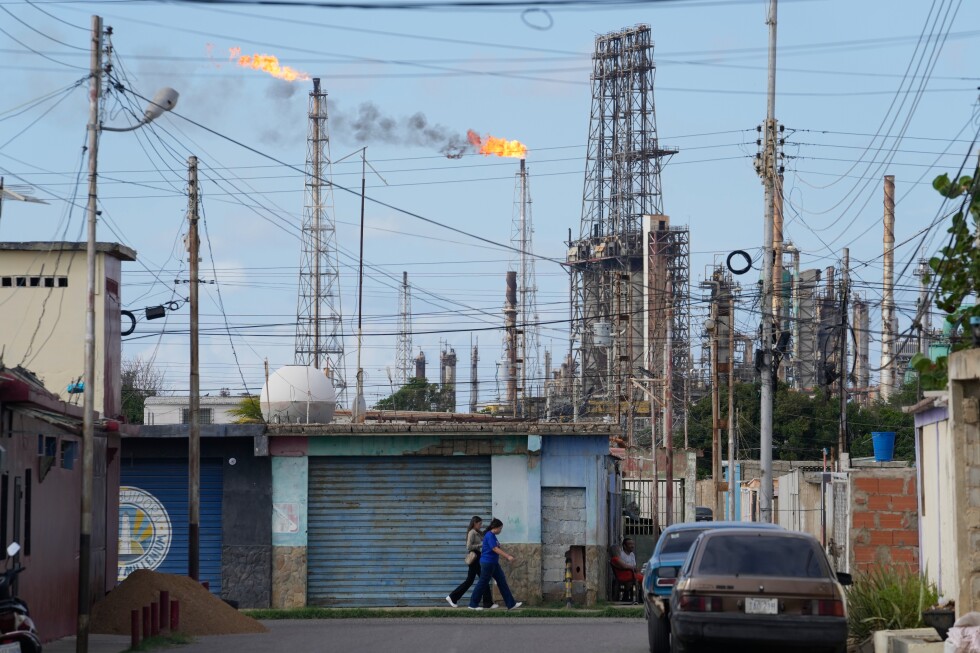
Venezuela’s National Assembly has initiated legislative proceedings on a transformative bill that would significantly reduce state dominance over the country’s oil industry, marking the most substantial policy shift since the late President Hugo Chávez nationalized major portions of the sector in 2007. The proposed legislation, which advanced through initial parliamentary debate on Thursday, would establish new frameworks for private sector participation and international arbitration mechanisms.
The comprehensive reform package emerges amid heightened pressure from the Trump administration following the recent U.S. capture of former President Nicolás Maduro. American officials have intensified demands for Venezuela’s acting President Delcy Rodríguez to facilitate increased investment from U.S. energy corporations in the nation’s struggling petroleum industry.
According to draft legislation obtained by The Associated Press, the bill would enable private companies to independently operate oil fields, market their crude production, and retain financial revenues while maintaining nominal minority partnership status with state-owned PDVSA. The document explicitly states that operating companies would assume comprehensive management of activities “at its sole cost, expense and risk.”
A critical component of the proposed law involves permitting international arbitration for investment disputes, moving away from the previous requirement that cases be heard exclusively in Venezuelan courts. The legislation maintains the existing 30% royalty rate but allows reductions to as low as 15% for complex or capital-intensive oil projects to incentivize development.
Jorge Rodríguez, President of the National Assembly and brother of the acting president, emphasized to lawmakers that the bill aims to achieve “an accelerated increase in production,” noting that “oil under the ground is useless” without development. The proposal received backing from business representatives, including Orlando Camacho of Fedeindustria, who described the measures as essential for maintaining the oil industry as Venezuela’s economic engine.
Despite these overtures, significant investor concerns persist regarding financial and legal risks. Many international energy companies, including Exxon, continue seeking compensation for assets seized during Chávez’s nationalization campaign. Additional uncertainties stem from Venezuela’s political transition timeline and the maintenance of U.S. sanctions that currently restrict foreign operations in the country’s oil sector.