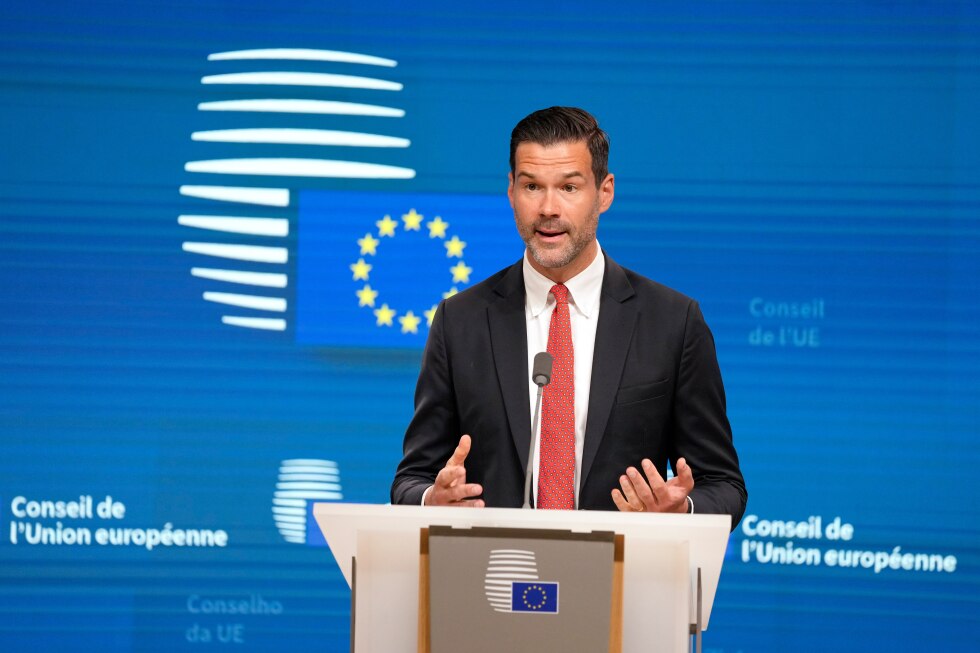
NICOSIA, Cyprus — Sweden’s Migration Minister Johan Forssell has called for urgent European Union action to address the growing challenge of deporting Afghan nationals whose asylum claims have been rejected or who have committed crimes within EU territories. Speaking during an informal gathering of EU Justice and Home Affairs ministers in Cyprus, Forssell highlighted a critical administrative impasse: the inability to remove individuals lacking proper identification or travel documentation.
The minister articulated a pressing concern that without functional documentation procedures, EU nations face ‘more or less impossible’ deportation scenarios. Forssell emphasized that while the EU maintains no interest in formal political engagements that might legitimize Afghanistan’s Taliban leadership, technical-level agreements remain both feasible and necessary.
This position stems from Sweden’s direct experience with criminal cases involving Afghan nationals who cannot be expelled due to documentation gaps. ‘If you come to Europe and commit crimes, you have chosen yourself not to be part of our society,’ Forssell stated, underscoring the government’s commitment to ensuring expulsion of such individuals.
The documentation crisis arises because most Afghan embassies in Europe operate without recognition from Taliban authorities, leaving migrants in legal limbo. Forssell revealed that the European Commission has initiated preliminary contacts with Kabul, describing these efforts as a ‘very positive first step.’ He also noted emerging consensus among multiple EU states facing parallel challenges.
With over half of Afghan asylum seekers expected to receive rejections, Forssell warned that public support for legitimate asylum processes could erode without efficient return mechanisms. He proposed practical solutions including charter flights consolidating deportees from multiple countries.
European Commissioner for Internal Affairs and Migration Magnus Brunner confirmed that member states are engaging with Afghanistan’s ‘effective authorities’ on technical levels to facilitate repatriations.
The Swedish minister contextualized these efforts within his nation’s broader migration policy shift. Sweden’s historically generous asylum approach has transformed significantly in recent years, with public concern over migration-related problems contributing to the current government’s formation—a coalition that includes the hard-right, anti-immigration Sweden Democrats. Forssell reported that asylum applications have now reached their lowest level since 1985, aligning with current policy objectives.