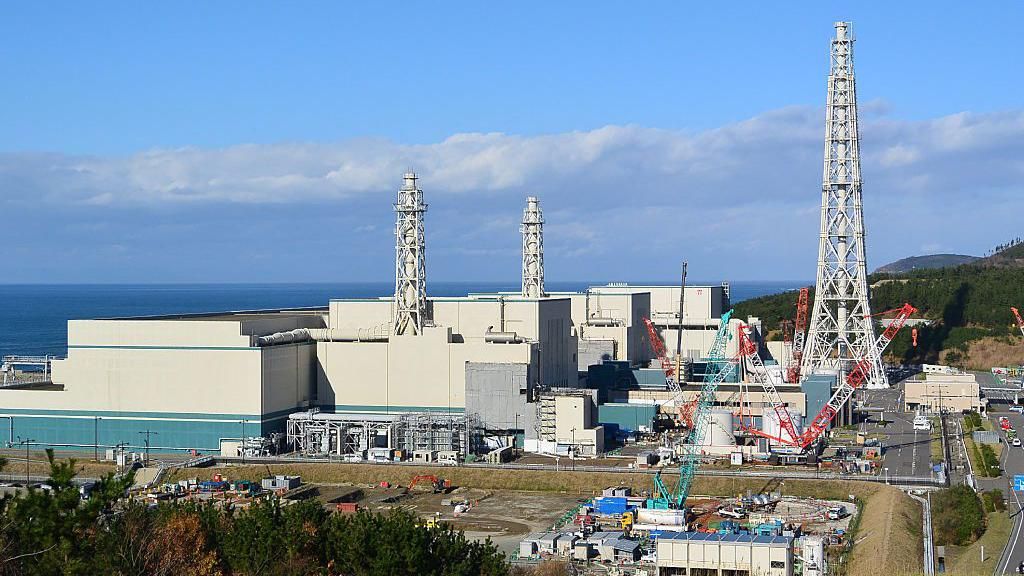
Japan’s ambitious nuclear energy revival faced an immediate setback as the Kashiwazaki-Kariwa Nuclear Power Plant—the world’s largest by installed capacity—was abruptly shut down mere hours after restarting operations. The suspension occurred when an alarm triggered during reactor-start-up procedures at reactor number six, which had just resumed operation on Wednesday following a one-day delay caused by another technical malfunction.
Tokyo Electric Power Company (Tepco) spokesperson Takashi Kobayashi confirmed the incident, stating that while the reactor remained stable with no radioactive impact detected outside the facility, the company is investigating the cause with no timeline provided for resuming operations. This restart marked a significant milestone as the first reactor activation at the plant since the catastrophic 2011 Fukushima disaster that led Japan to shutter all 54 of its nuclear reactors.
The Kashiwazaki-Kariwa facility’s troubles highlight Japan’s ongoing challenges in balancing its nuclear energy ambitions with public safety concerns. The reactor had received regulatory approval to restart despite opposition from local residents, with protests occurring outside Tepco’s headquarters last week and hundreds gathering at the Niigata prefectural assembly in December.
Japan’s nuclear landscape has dramatically transformed since Fukushima, where a 9.0 magnitude earthquake triggered meltdowns forcing over 150,000 evacuations. Before the disaster, nuclear power provided nearly 30% of Japan’s electricity, with plans to increase that to 50% by 2030. The current administration has been gradually restarting reactors as part of its strategy to achieve net-zero emissions by 2050, with 15 of 33 operable reactors resumed since 2015.
The future of Kashiwazaki-Kariwa remains uncertain, with reactor seven not expected to restart until 2030 and the other five reactors potentially facing decommissioning. This would leave the massive facility operating at a fraction of its designed capacity, representing both a technical and symbolic challenge for Japan’s nuclear energy policy.