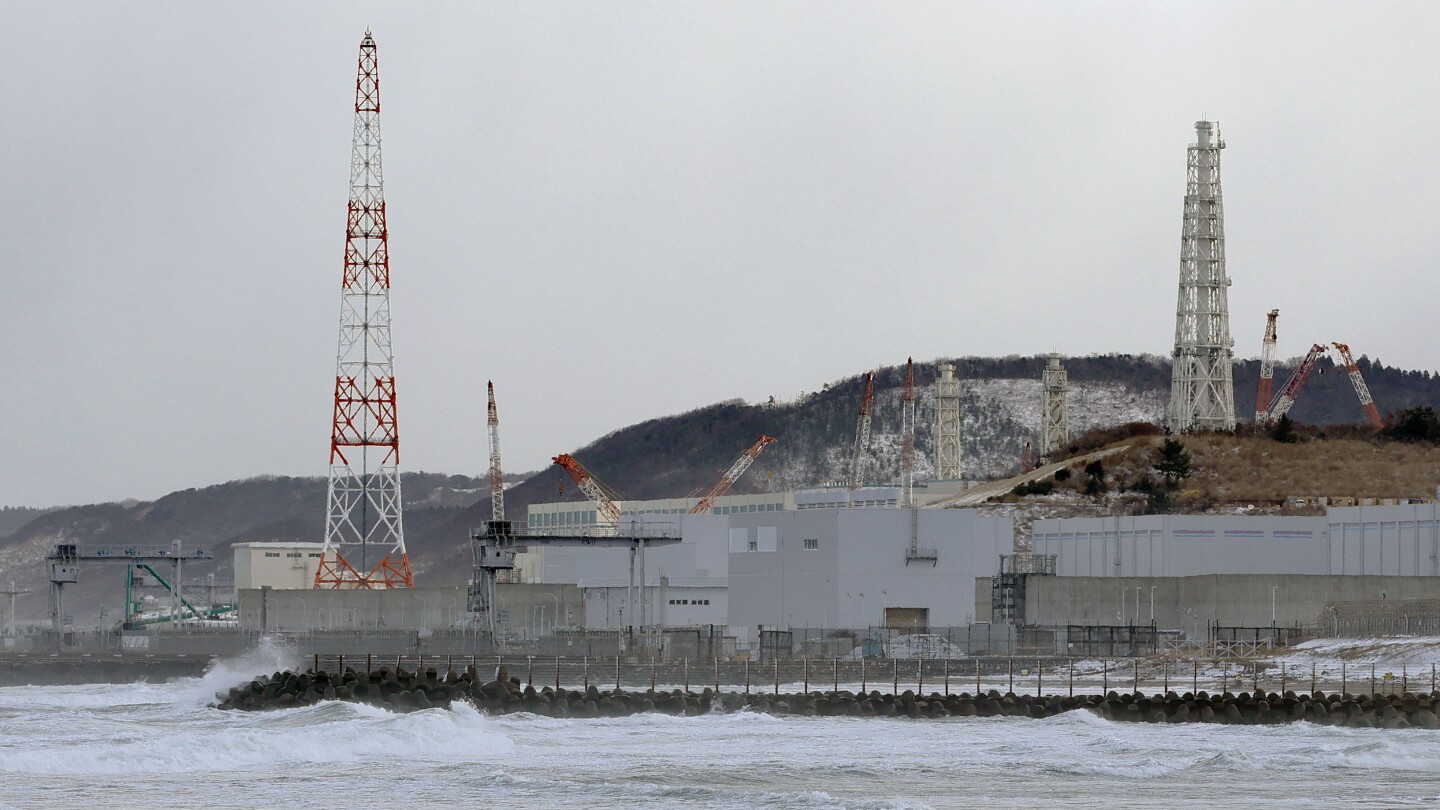
Japan’s ambitious nuclear energy revival faced an unexpected setback Thursday when the restart of the Kashiwazaki-Kariwa nuclear power plant—the world’s largest such facility—was abruptly suspended mere hours after commencing operations. This marked the first attempted reactivation since the catastrophic 2011 Fukushima nuclear disaster.
The suspension resulted from a technical anomaly involving control rods, critical components responsible for the safe initiation and shutdown of nuclear reactors. Tokyo Electric Power Company Holdings (TEPCO), the plant’s operator, confirmed the interruption while emphasizing that no safety compromises occurred. Company officials are conducting thorough investigations to determine the cause, with no definitive timeline provided for resuming the restart process.
This development carries profound significance as TEPCO simultaneously manages the ongoing Fukushima cleanup—a project estimated at 22 trillion yen ($139 billion)—while working to restore its operational credibility. Both governmental and independent investigations had previously attributed the Fukushima catastrophe to TEPCO’s deficient safety protocols and inappropriate collusion with regulatory bodies.
The Kashiwazaki-Kariwa facility, located approximately 220 kilometers northwest of Tokyo, represents TEPCO’s inaugural return to nuclear power generation since the 2011 disaster. While fourteen other reactors across Japan have successfully resumed operations during this period, this particular restart symbolizes a critical milestone in Japan’s broader energy strategy. The nation, resource-deficient and facing escalating electricity demands, is actively accelerating atomic power utilization to ensure energy security.
The No. 6 reactor, once operational, promises to generate 1.35 million kilowatts of electricity—sufficient to power over one million households in the capital region. Despite the plant’s total capacity reaching 8 million kilowatts across seven reactors, TEPCO currently plans to recommission only two units in the foreseeable future. All seven reactors have remained inactive since 2012, following radiation contamination that rendered extensive areas surrounding Fukushima uninhabitable.