The transatlantic alliance, once heralded by President Joe Biden’s 2021 proclamation that ‘America is back,’ now faces unprecedented strain during Donald Trump’s second term. The diplomatic landscape has undergone radical transformation as Trump dismantles seven decades of European partnerships that facilitated German reunification and Soviet collapse.
Trump’s approach has deviated dramatically from conventional diplomacy, treating allied nations with confrontational rhetoric typically reserved for adversaries. His administration’s most shocking maneuver involved demanding Denmark cede control of Greenland, which Trump dismissively characterized as a substantial ‘piece of ice.’ This proposition risked fracturing NATO and represented a fundamental departure from established international norms.
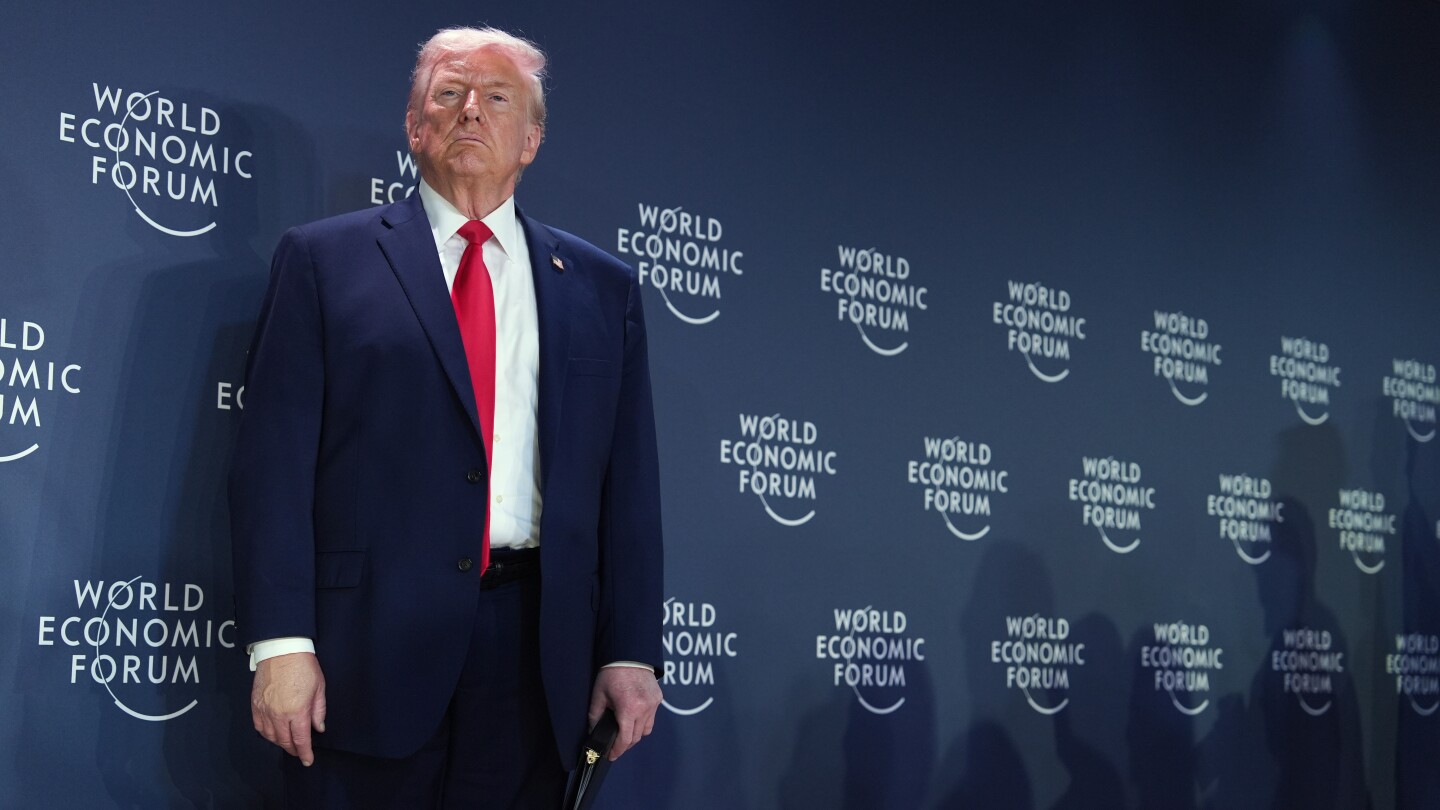
The former president escalated tensions by publicly branding Denmark ‘ungrateful’ for American protection during World War II, despite the nation suffering the highest per-capita casualty rate among coalition forces in Afghanistan. Trump further undermined diplomatic decorum by revealing private communications with European leaders and delivering a provocative address at Davos where he suggested Europe required authoritarian leadership, remarking that ‘sometimes you need a dictator.’
This diplomatic rupture has compelled American allies to pursue independent strategies. Canadian Prime Minister Mark Carney, having resisted Trump’s territorial ambitions, declared the rules-based international order an ‘illusion’ and independently negotiated trade agreements with China. Simultaneously, the European Union and Mercosur bloc finalized a free trade agreement specifically designed as countermeasure against Trump administration policies.
European leadership responded with unusually blunt criticism. French President Emmanuel Macron warned against ‘colonial adventures,’ while Belgian Prime Minister Bart De Wever described crossing ‘so many red lines’ that threatened national dignity. Even traditional conservative allies expressed alarm, with UK’s Nigel Farage labeling Trump’s Greenland approach the ‘biggest fracture’ in transatlantic relations in decades.
While Congressional Republicans largely maintain support for Trump’s unconventional methods, dissenting voices like Nebraska Representative Don Bacon condemn the Greenland threat as ‘absurd’ and ‘totally unnecessary.’ Democrats advocate for stronger transatlantic responses, with California Governor Gavin Newsom employing vivid dinosaur metaphors to characterize Trump’s diplomatic style.
Foreign policy experts suggest the damage may extend beyond repairability within a single presidential term. Former Biden deputy national security adviser Jon Finer observes that rational nations now perceive American reliability as limited to ‘four-year increments, if at all,’ fundamentally altering how global partners engage with the United States.