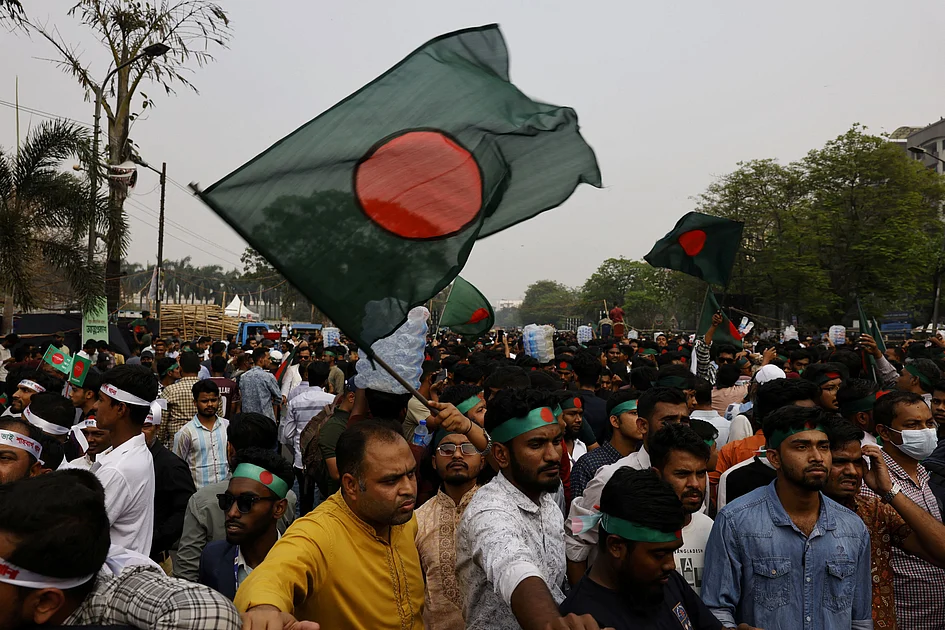
Bangladesh has formally commenced campaign activities for its landmark February 12 parliamentary elections, marking the nation’s first electoral process since the 2024 uprising that ended Sheikh Hasina’s prolonged authoritarian rule. The South Asian nation of 170 million people stands at a critical juncture, with these elections poised to reshape both domestic governance and regional power dynamics following extended political instability.
The electoral atmosphere remains charged with both anticipation and apprehension. Recent security concerns include the murder of a student leader involved in the anti-Hasina protests last month, while authorities have issued warnings about coordinated disinformation campaigns targeting the electoral process. European Union observers have designated these elections as the “most significant democratic exercise of 2026.”
Political mobilization has reached unprecedented scales, with mass rallies expected to draw hundreds of thousands of supporters. The Bangladesh Nationalist Party (BNP), under the leadership of Tarique Rahman, has initiated its campaign from the northeastern city of Sylhet. Rahman, who returned from 17 years of exile in December, assumed party leadership following the death of his mother, former Prime Minister Khaleda Zia.
The campaign traditionally begins in Sylhet, home to the centuries-old Sufi shrine of Shah Jalal, despite Jamaat-e-Islami’s ideological opposition to Sufi interpretations of Islam. This Islamist party instead launched its campaign from Dhaka, led by Shafiqur Rahman. The National Citizen Party (NCP), formed by student leaders of the uprising and now allied with Jamaat-e-Islami, similarly commenced its activities in the capital.
Overseeing the transition is Muhammad Yunus, the 85-year-old Nobel Peace Prize laureate who returned from exile in August 2024 to lead a caretaker government as “chief adviser.” Yunus describes inheriting a “completely broken” political system and has championed constitutional reforms aimed at preventing a return to authoritarianism. A referendum on these reforms will occur concurrently with the elections, proposing strengthened checks and balances among government branches.
Yunus has expressed particular concern about the impact of disinformation on the electoral process, noting that social media platforms face coordinated attacks spreading false information from both foreign and domestic sources. Meanwhile, regional relations have shifted significantly, with neighboring India providing refuge to the deposed Sheikh Hasina, who received a death sentence in absentia for crimes against humanity during her crackdown on protesters.