In her groundbreaking work ‘The Problem with Plastics,’ former Obama-era environmental official Judith Enck delivers a powerful exposé on the plastic pollution crisis that has come to define modern existence. From microplastics found in newborn stool to airborne particles infiltrating our atmosphere, plastic contamination has reached unprecedented levels, with half of all plastic ever manufactured produced since the 2007 iPhone debut.
Enck systematically dismantles what she identifies as the plastic industry’s most damaging fabrication: the myth of effective recycling. Contrary to popular belief, only 5-6% of plastics in the United States actually undergo recycling processes. This abysmal rate stems from fundamental technical challenges—consumer plastics comprise thousands of distinct polymer types, rendering large-scale recycling economically unfeasible compared to materials like glass or metal.
The environmental advocate reveals how industry campaigns have strategically shifted responsibility onto consumers through terminology like ‘litterbug’ while promoting chemically dubious ‘solutions.’ Recent analysis from Enck’s Beyond Plastics organization demonstrates that chemical recycling facilities handle merely 1% of U.S. plastic waste, with several operations already shuttered.
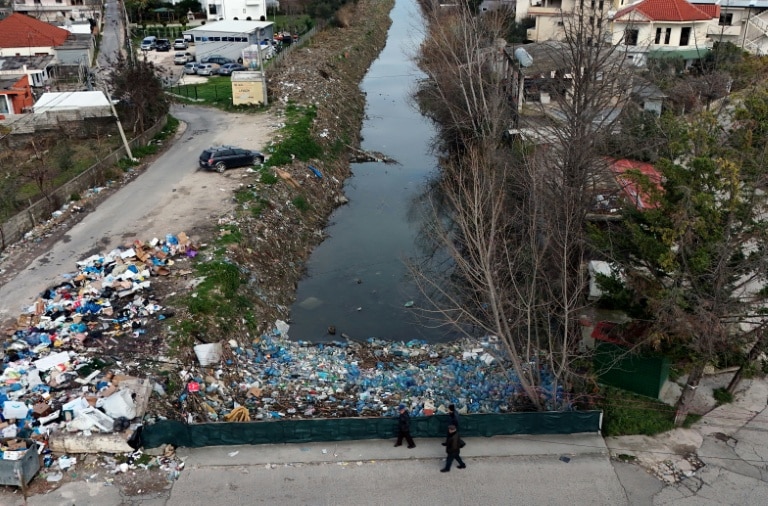
This plastic proliferation carries devastating ecological consequences. Approximately 33 billion pounds of plastic enter oceans annually—equivalent to two garbage trucks dumping payloads every minute. Marine ecosystems suffer catastrophic damage from microplastics and nanoplastics, which subsequently infiltrate human food chains. Emerging medical research indicates alarming health correlations, including a 2024 study linking arterial microplastics to elevated risks of heart attacks, strokes, and premature mortality.
Environmental justice emerges as a critical theme, with petrochemical expansion disproportionately affecting marginalized communities. Louisiana’s ‘Cancer Alley’ exemplifies this disparity, where residents experience cancer rates seven times the national average. ‘Our zip code dictates our health,’ Enck emphasizes, highlighting how plastic production becomes an environmental justice issue affecting predominantly low-income and minority populations.
The recent plastic production surge connects directly to hydraulic fracturing developments since the mid-2000s, creating a gas glut that industry seeks to monetize through plastic manufacturing—simultaneously exacerbating climate change.
Despite these challenges, Enck maintains cautious optimism. She points to grassroots momentum exemplified by legislation like New Jersey’s ‘Skip the Stuff’ law, requiring restaurants to provide single-use cutlery only upon request. Her approach combines personal responsibility with systemic change, advocating for legislative action rather than consumer shaming. ‘We need new laws that require less plastic,’ she asserts, providing practical guidance for community organizing and policy advancement in her comprehensive publication.