In a decisive legislative response to the December 14 terrorist shooting at Sydney’s Bondi Beach, the Australian Parliament has enacted comprehensive reforms strengthening gun control measures and hate crime legislation. The tragic incident during a Jewish festival resulted in 16 fatalities, including one perpetrator, and left dozens injured.
The newly passed firearm regulations introduce a national buyback program, enhanced import restrictions, more rigorous background verifications for licensing, and limitations on permitted firearm categories. Concurrently, the hate crime legislation establishes mechanisms to designate organizations as ‘hate groups,’ targets individuals propagating extremist ideologies, and increases penalties for violence advocacy offenses.
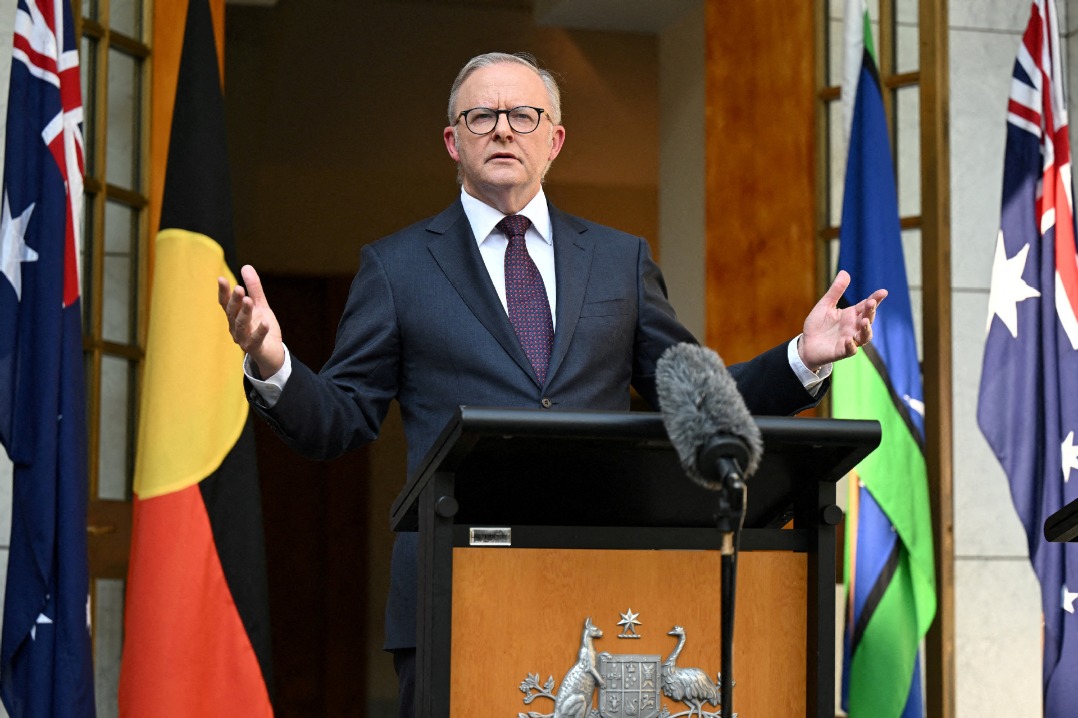
Prime Minister Anthony Albanese emphasized the government’s urgency in addressing these issues, stating at a Canberra press conference: ‘At Bondi, the terrorists had hate in their hearts, but they had guns in their hands. We have acted with unity to confront both threats decisively.’
The alleged attackers, 24-year-old Naveed Akram and his 50-year-old father Sajid, targeted a Hanukkah celebration. Police neutralized Sajid at the scene while Naveed sustained critical injuries. Subsequent investigations revealed six firearms used in the assault, with Naveed facing 59 charges including murder and terrorism.
This represents Australia’s most significant security legislation since the 1996 Port Arthur massacre that claimed 35 lives and established the National Firearms Register. The government will additionally form a royal commission examining antisemitism and social cohesion, while declaring a national day of mourning with flags at half-mast to honor the victims.
Sociologist Margaret Gibson of Griffith University noted the importance of national rituals following such tragedies, stating they ‘demonstrate government leadership toward collective solidarity and unity in the face of violence that ruptures the sense of safety of community and nation.’