In an innovative approach to student mental health, universities in China’s Shaanxi province are integrating Traditional Chinese Medicine (TCM) principles to address growing concerns about anxiety and depression on campus. This holistic methodology emphasizes physical wellness as the foundation for psychological stability, marking a significant shift from conventional Western counseling techniques.
The program at Shaanxi University of Chinese Medicine advocates for regulated sleep patterns, recommending students retire before 11 pm and nap between 11 am and 1 pm to nourish internal organs and reduce anxiety. Associate Professor Tong Yajing explains that this ‘body-first’ philosophy recognizes the interdependence of physical and mental health, with improved physical condition naturally enhancing stress resistance.
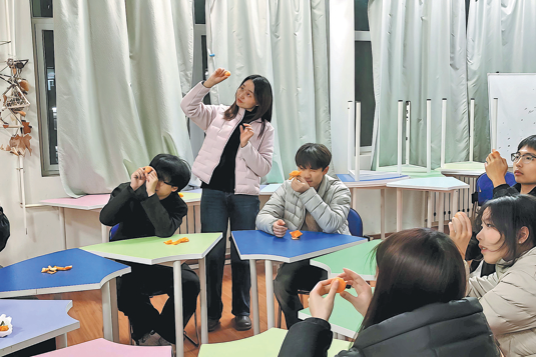
Students participate in diverse TCM practices including qigong breathing exercises, acupressure, seasonal dietary adjustments, and mindfulness activities. The university reports remarkable success, with 95.58% of participants reporting tangible benefits from these traditional therapies. Pre and post-program assessments specifically for mindfulness meditation showed significant reductions in anxiety levels.
Personal testimonies reveal the program’s effectiveness. One junior student (identified as Xiao Si) who previously struggled with depression reported becoming more attuned to bodily needs through TCM practices. ‘I learned to be more careful with my body, which has been helpful in improving my mental state,’ she noted.
Another student, Xiao Chen, found tai chi and baduanjin exercises particularly effective during exam periods. ‘After practice, my mind was in a state of calm emptiness, free from random thoughts,’ she described, adding that TCM’s avoidance of excessive emotional probing made it more comfortable than Western approaches.
The initiative has expanded to Xi’an Shiyou University, which conducts daily baduanjin workshops and innovative mindfulness photography projects where participants document their emotional states through images over 21-day cycles. The university even integrates traditional poetry recitation and calligraphy with mindfulness practices.
Psychological counselor Yan Gaobin observes that ‘anxiety comes from disordered thinking,’ while the structured movements and breathing techniques of baduanjin help restore mental order. colleague Hui Xiaoyin notes that the low barrier to participation contributes significantly to student adherence.
With demonstrated success in addressing the primary psychological challenges faced by students—interpersonal relationships and academic pressure—these TCM programs are poised for expansion across provincial universities, offering a culturally-grounded, cost-effective alternative to conventional mental health interventions.