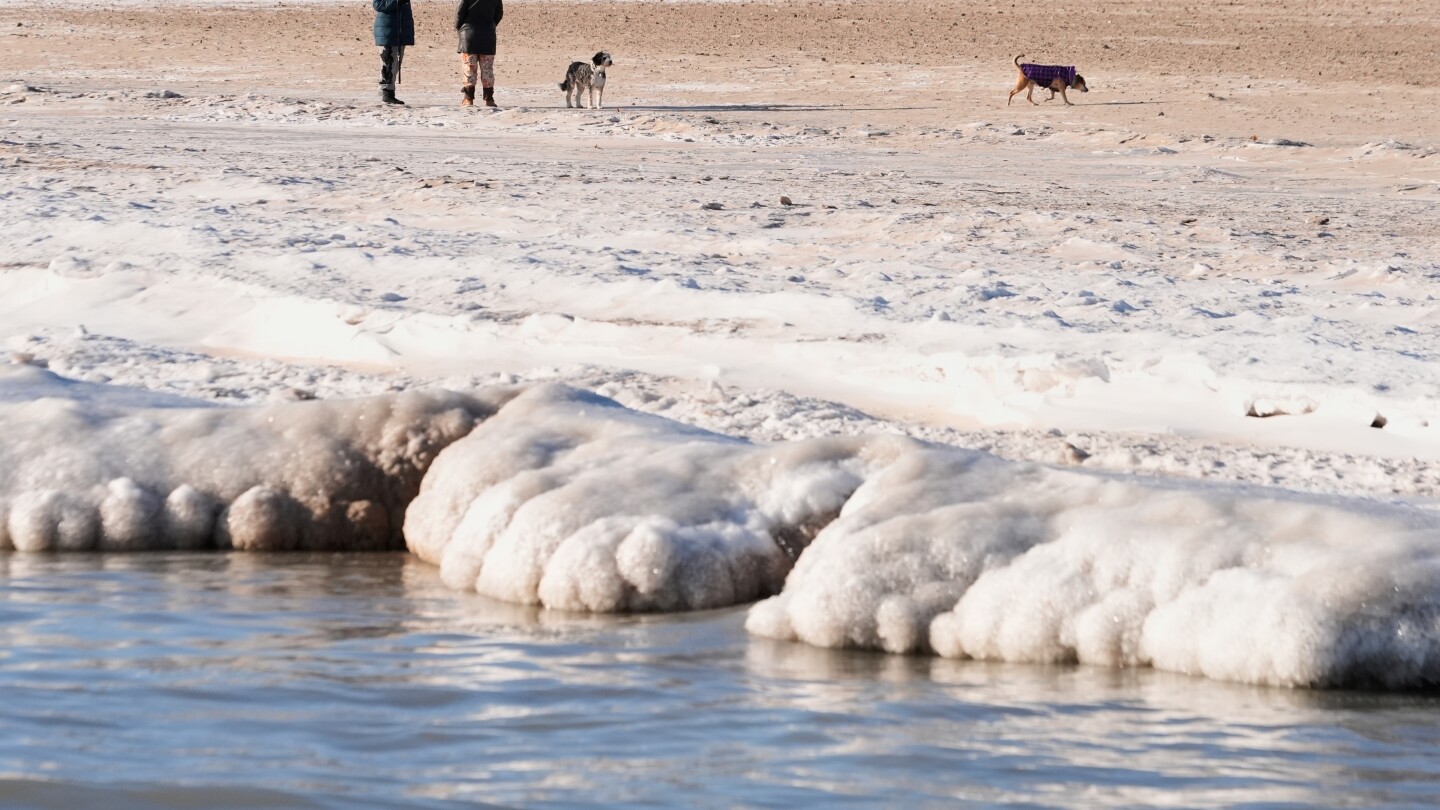
Meteorological experts are warning of an unprecedented winter catastrophe poised to engulf the eastern two-thirds of the United States, with climate change paradoxically intensifying the severity of approaching Arctic conditions. A destabilized polar vortex—typically confined to northern latitudes—is now elongating due to warmer Arctic waters interacting with frigid continental air masses, creating a perfect storm scenario that will deliver prolonged subzero temperatures, crippling ice accumulations, and heavy snowfall across multiple regions.
According to atmospheric scientists including former NOAA chief scientist Ryan Maue, this developing system represents a weather event with potential damage equivalent to major hurricanes. The phenomenon originates from dramatic Arctic warming and record-low sea ice extent, particularly in the Barents and Kara seas, which disrupts normal atmospheric patterns. These conditions, combined with heavy Siberian snowfall observed since October 2025, have created ideal circumstances for polar vortex stretching that drives extreme winter weather southward.
MIT researcher Judah Cohen, who co-authored a July 2025 study on this phenomenon, confirms that warming-induced sea ice loss has increased the frequency of stretched polar vortex events over the past decade. The current event will position its core above Duluth, Minnesota by Friday, generating temperatures plunging to -30°F (-34°C) in northern regions. National Weather Service meteorologist Zack Taylor warns of catastrophic ice accumulations capable of widespread power outages and tree damage across southern plains through the Carolinas, while significant snowfall will impact the Ozarks, Tennessee Valley, and Appalachian regions.
The exceptional cold pattern is expected to persist through early February, with potential freezing of Lakes Erie and Ontario that may slightly reduce lake-effect snow but extend the duration of frozen conditions. Meteorologists emphasize that this represents a hemispheric pattern affecting both North America and Eurasia, with the Arctic warming paradoxamplifying winter severity across continental landmasses.