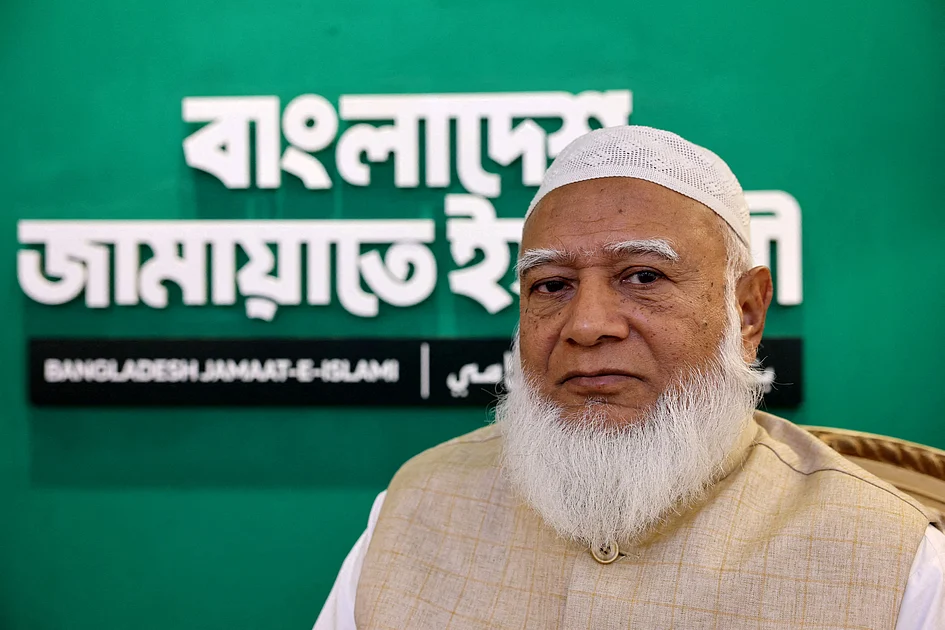
In a remarkable political transformation, Bangladesh’s historically marginalized Jamaat-e-Islami party is experiencing unprecedented resurgence ahead of February’s parliamentary elections. The Islamist organization, previously banned from electoral politics for over a decade due to its opposition to Bangladeshi independence and conflicts with the secular constitution, has strategically repositioned itself as a viable alternative to established political forces.
The party’s rehabilitation follows the youth-led uprising that ousted Prime Minister Sheikh Hasina in August 2024, which resulted in approximately 1,400 casualties according to UN estimates. Capitalizing on public disillusionment with traditional parties, Jamaat has emphasized anti-corruption initiatives and welfare programs including medical camps and flood relief operations.
A December opinion poll by the International Republican Institute revealed Jamaat as Bangladesh’s most ‘liked’ political entity, projecting a highly competitive race with the Bangladesh Nationalist Party. This surge in popularity stems from strategic alliances with groups like the Gen-Z National Citizen Party and outreach to minority communities, including the unprecedented nomination of a Hindu candidate.
Despite public assurances of women’s rights, the party faces scrutiny for fielding no female candidates for 300 parliamentary seats. Party chief Shafiqur Rahman suggests women might gain representation through 50 proportionally allocated seats post-election, but women’s rights activists dismiss these promises as electoral ploys.
The political shift has raised concerns among religious minorities and moderates, with reports of increased attacks on Hindu and Sufi sites since Hasina’s departure. Minority community leaders express unprecedented fears about their security under potential Islamist governance, though Jamaat officials deny involvement in religious violence and call for investigations.
Jamaat has formed a broad network of alliances with other Islamist parties, planning to contest 179 seats while distributing 74 to allies. The party employed international agencies to assess voter sentiment and recruited prominent figures including Mir Ahmad bin Quasem, son of an executed Jamaat leader.
Analysts note the party’s evolution from a ‘stigmatized force’ to a ‘pragmatic contender’ reflects public anger over abuses during Hasina’s administration. While some speculate about potential foreign policy shifts toward Pakistan, party leadership maintains they will pursue balanced international relations rather than leaning toward any particular nation.