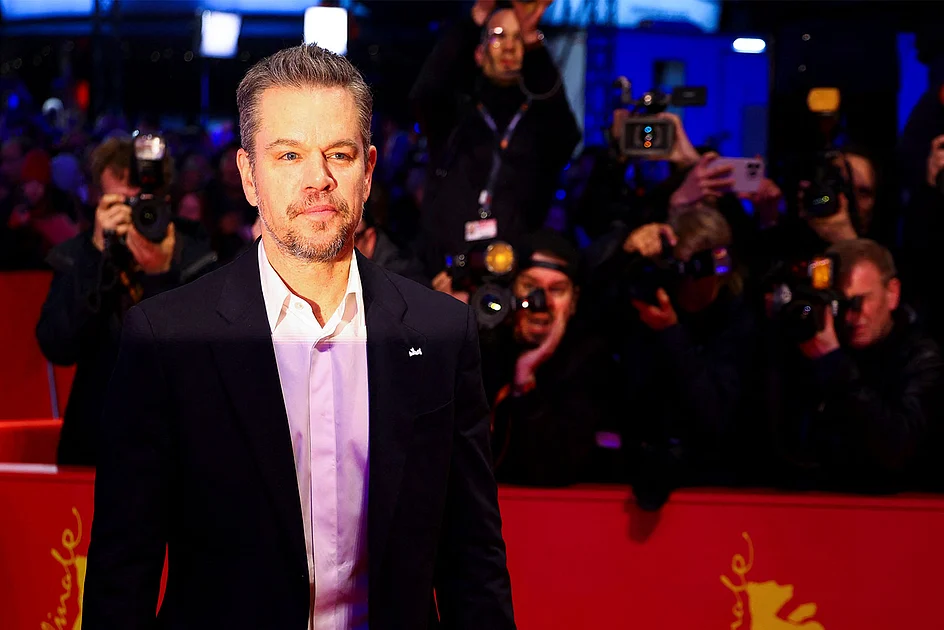
In a revealing discussion on the Joe Rogan Experience podcast, Hollywood stars Matt Damon and Ben Affleck detailed Netflix’s innovative approach to maintaining viewer engagement in the streaming era. The actors, currently promoting their Netflix film ‘The Rip,’ explained how the platform has developed specific techniques to combat distracted viewing habits in home environments.
Damon articulated Netflix’s strategy of front-loading action sequences, noting that traditional filmmaking structures have been fundamentally altered. “The standard paradigm for action films involved three major set pieces building toward a grand finale,” Damon explained. “Now Netflix requests a significant action sequence within the first five minutes to immediately capture audience attention.”
The Oscar-winning actor further disclosed that streaming executives explicitly request plot points to be reiterated three to four times within dialogue. This approach directly addresses the reality that home viewers frequently multitask with mobile devices during streaming sessions, potentially missing crucial narrative elements.
Affleck provided a counterpoint, highlighting that Netflix’s formula isn’t absolute. He cited the platform’s recent critically acclaimed limited series ‘Adolescence’ as evidence that unconventional, contemplative storytelling can still achieve success without employing these engagement tactics. The dark drama featured extended silent sequences and minimal exposition, yet resonated strongly with audiences.
The conversation also touched on the groundbreaking compensation model implemented for ‘The Rip.’ In a significant departure from standard streaming industry practice, Damon and Affleck negotiated a profit-sharing agreement that provides potential bonuses for all cast and crew based on the film’s performance metrics. This innovative approach could establish new precedents for how streaming platforms compensate creative professionals, moving beyond flat fees toward performance-based incentives.
Industry analysts are closely monitoring this compensation model, which may influence future negotiations between streaming services and content creators. The traditional studio system’s backend participation deals have largely been absent from streaming, making this arrangement potentially transformative for industry compensation standards.