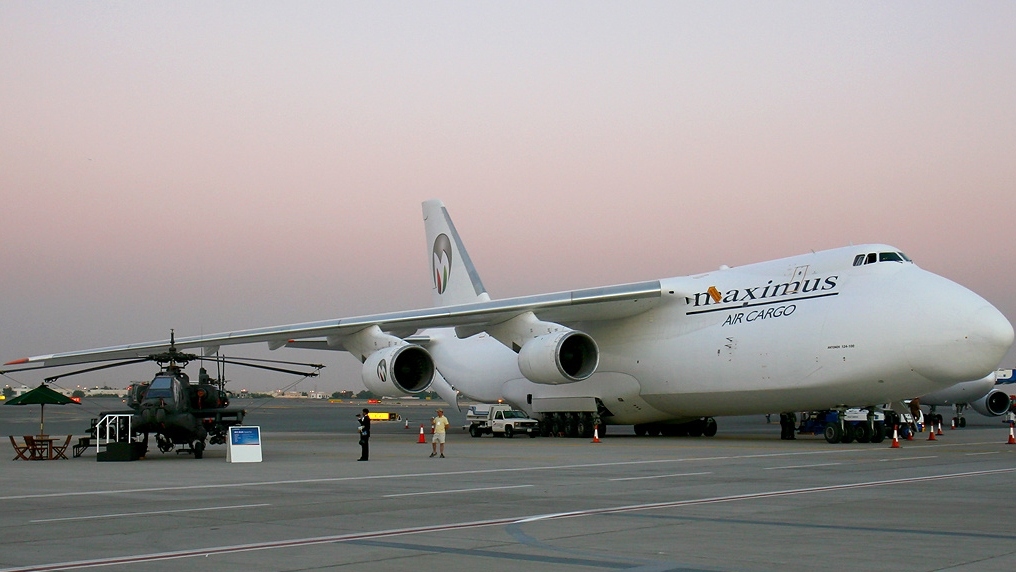
Recent flight-tracking data reveals a pattern of strategic cargo movements by a UAE-linked aircraft across multiple conflict zones, highlighting the intensifying regional power struggle between the United Arab Emirates and Saudi Arabia. An Antonov An-124 transport plane (tail number UR-ZYD), operated by Abu Dhabi-based Maximus Air, has conducted repeated flights between military bases in Abu Dhabi, Ethiopia, Bahrain, and Israel throughout January.
The aircraft’s movements coincide with a dramatic shift in regional alliances following Saudi Arabia’s successful military campaign against UAE-backed forces in Aden, Yemen. This development forced Emirati forces to withdraw from their strategic base in Bosaso, Somalia, while simultaneously facing diplomatic challenges from Somalia’s cancellation of all security agreements with the UAE.
Analysts identify Ethiopia as becoming increasingly crucial to UAE’s regional strategy. Prime Minister Abiy Ahmed appears to be aligning Ethiopia firmly with the UAE alliance rather than alternative options, according to sources familiar with Ethiopian foreign policy. This alignment potentially includes Ethiopia’s anticipated recognition of Somaliland in exchange for access to the port of Berbera.
The ongoing Sudan conflict has become central to this regional power struggle, with Saudi Arabia, Egypt, and Turkey increasing military support to the Sudanese Armed Forces (SAF) to counter the UAE’s longstanding support for the paramilitary Rapid Support Forces (RSF). Evidence suggests the UAE has been supplying weapons to the RSF through multiple channels, including via Ethiopia and eastern Libya under General Khalifa Haftar’s control.
Flight data shows UR-ZYD made three round trips between Bahrain’s Sheikh Isa Air Base and Israel’s Ovda Air Force base in late December before commencing its Ethiopia shuttle operations in January. The aircraft’s significant cargo capacity—capable of transporting 21 Toyota Land Cruisers or 4 Mi-17 helicopters—raises concerns about potential weapons transfers.
Yale’s Humanitarian Research Lab executive director Nathaniel Raymond expressed global concern about these developments: ‘Evidence that an An-124 has been making repeated sorties between Abu Dhabi and this airfield near an area seeing increased uptick in RSF presence and operations should be of global concern.’
The aircraft’s operations have previously attracted UN scrutiny for violating arms embargoes in Libya, with investigations identifying current UAE President Mohammed bin Zayed as the beneficial owner of UR-ZYD. Despite the airline’s description of humanitarian missions, its client list includes multiple UAE government entities including the Armed Forces GHQ and Crown Prince Court.
As Saudi pressure mounts on Haftar forces to cease supporting UAE’s RSF operations, and with Egypt bombing RSF supply convoys near its border, the temporary closure of al-Kufra airbase in Libya appears designed to provide diplomatic breathing space. Regional analysts conclude that the Horn of Africa has become subject to Gulf power dynamics, with local nations increasingly forced to choose sides in the Riyadh-Abu Dhabi rivalry.