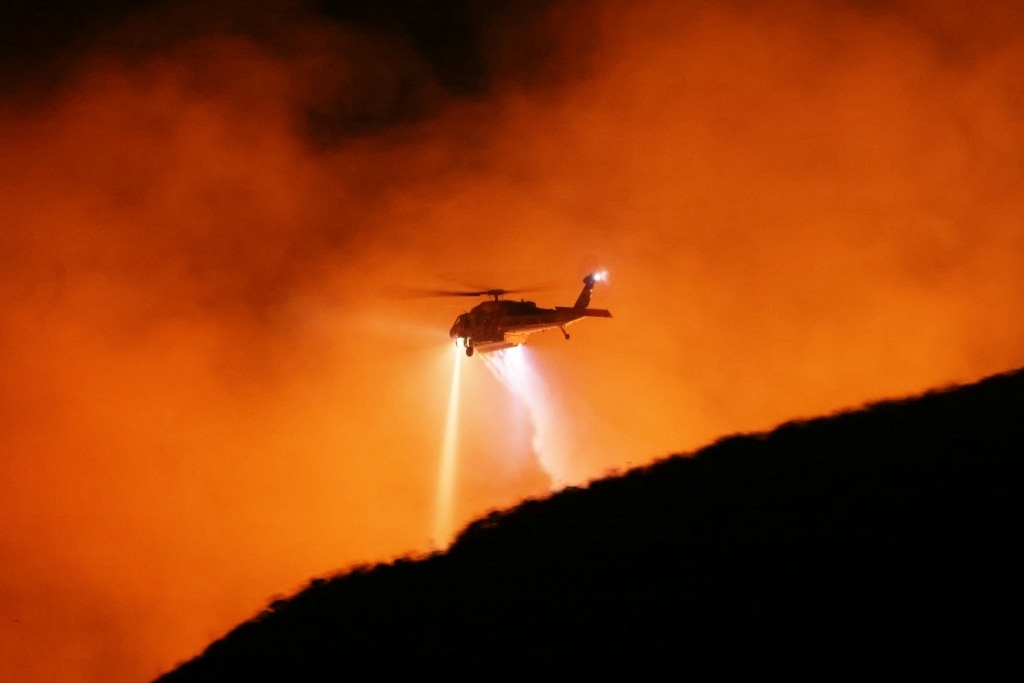
While climate change unequivocally amplifies the frequency and intensity of global weather catastrophes, the corresponding human mortality rates present a complex and counterintuitive statistical picture. Recent data reveals a paradoxical trend: despite a documented escalation in extreme weather events fueled by record-breaking global temperatures, overall disaster-related fatalities have actually declined over recent decades.
According to an analysis of the EM-DAT global disaster database, weather-related events claimed over 2.3 million lives between 1970 and 2025. However, the death toll from 2015 to 2025 stood at 305,156, marking a decrease from the 354,428 recorded in the preceding decade. This decline occurs against a backdrop of the three hottest years on record since the pre-industrial era, driven predominantly by continued fossil fuel consumption.
Experts emphasize that this mortality reduction stems not from diminished hazard intensity but from vastly improved human adaptation strategies. Marina Romanello, Executive Director of the Lancet Countdown, notes that enhanced early warning systems, fortified infrastructure, and advanced building codes have significantly increased societal resilience. Tobias Grimm, Chief Climate Scientist at Munich Re, corroborates this, stating that while weather perils remain extremely high, protective systems are saving lives.
The exception to this trend is heatwaves, which are emerging as a particularly lethal climate threat. Termed the ‘silent killer,’ heat-related mortality is notoriously difficult to calculate due to delayed reporting and undercounting. The Lancet Countdown estimates global heat-related deaths averaged 546,000 annually between 2012-2021—a staggering 63% increase from 1990-1999. Recent EM-DAT figures show approximately 61,800 heatwave deaths in 2022, dropping to 48,000 in 2023 before rising again to 66,825 in 2024, though improved European data collection post-pandemic partially explains these fluctuations.
The regional disparity in climate vulnerability remains stark. Populations in low-income nations face disproportionately higher risks compared to wealthier regions with better resources for disaster preparedness and response. Furthermore, scientists warn that there are limits to adaptation effectiveness. As Romanello cautions, when catastrophic events occur in rapid succession without adequate recovery time, even the most robust infrastructure systems can be overwhelmed, potentially reversing the current positive mortality trend in the future.