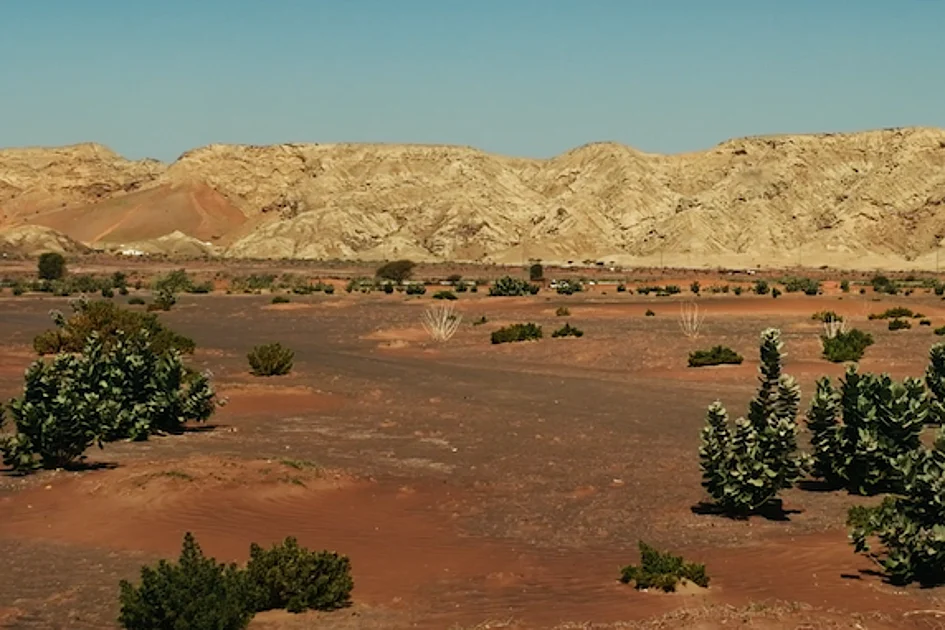
Sharjah has inaugurated a major scientific initiative with the launch of the Faya Research Grant, a Dh2 million ($545,000) program designed to advance archaeological and environmental research at the UNESCO World Heritage site Faya Palaeolandscape. The announcement was made by Sheikha Bodour bint Sultan Al Qasimi, Ambassador of the Faya World Heritage Property, during ceremonies commemorating the site’s recent inclusion on UNESCO’s prestigious World Heritage List.
The three-year program (2026-2028), administered by the Sharjah Archaeology Authority in coordination with the Faya World Heritage Property Scientific Committee, represents a strategic investment in transforming Sharjah into an international center for heritage science and prehistoric research. The grant program specifically targets high-impact, independent research that will strengthen the scientific understanding of Faya’s Outstanding Universal Value while fostering global collaboration.
Eligibility requirements mandate that applicants hold doctoral degrees, demonstrate strong publication records, and possess expertise in prehistoric archaeology or palaeoenvironmental research. International researchers and institutions are encouraged to apply, though priority will be given to proposals involving local researchers and institutions, reflecting Sharjah’s commitment to inclusive scientific partnership.
The funding structure encompasses three distinct support mechanisms: a long-term three-year research grant for comprehensive environmental and settlement studies; six short-term specialized grants for focused work in archaeology, palaeoenvironment, digital heritage, and conservation; and a mentoring fellowship program for Emirati youth in partnership with Germany’s University of Tübingen to develop local expertise through training and field experience.
Applications must be submitted through the Jebel Faya Research Grant portal by March 1, 2026, with successful projects commencing later that year. This initiative effectively transforms the Faya Palaeolandscape into an active laboratory for training future generations of archaeologists while ensuring the site’s continuing contribution to global knowledge about early human migration and adaptation patterns.