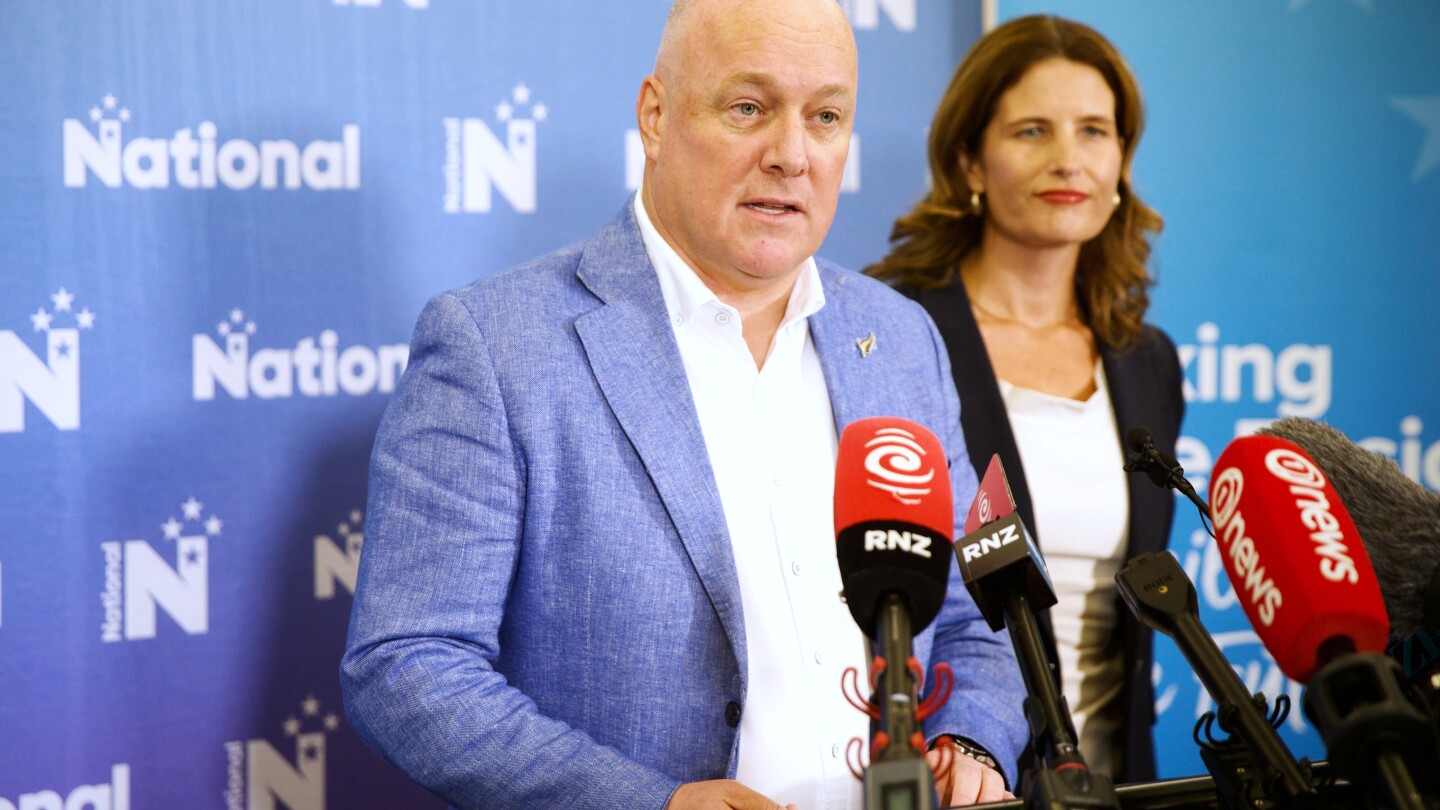
WELLINGTON, New Zealand — Prime Minister Christopher Luxon has officially designated November 7 as the date for New Zealand’s next general election, setting the stage for a contentious battle over economic leadership and policy direction. The center-right leader will pursue a second term amidst persistent voter concerns about living costs and economic recovery.
The electoral contest presents a remarkable political coincidence, featuring two leaders named Christopher vying for premiership—repeating the 2023 electoral dynamic. Luxon’s National Party government faces formidable opposition from Chris Hipkins’ resurgent Labour Party, with analysts predicting an exceptionally close race.
New Zealand’s political structure features a unicameral parliamentary system where coalition-building proves essential. Both major parties typically require alliances with smaller political entities to secure governing majorities, granting minor parties disproportionate influence in determining the nation’s leadership.
Economic performance dominates the electoral discourse, with Luxon emphasizing his administration’s efforts to rebuild the pandemic-affected economy. Recent economic indicators show a 0.5% contraction over the past twelve months, while emigration to Australia has reached record levels during Luxon’s tenure. The Prime Minister attributes these challenges to what he characterizes as economic mismanagement by the previous Labour administration.
Opposition Leader Hipkins has dismissed Luxon’s economic narrative as ‘management-speak mumbo-jumbo,’ accusing the government of failing to deliver on key promises including housing affordability and healthcare accessibility. The debate extends to infrastructure investment and pension funding, with Luxon criticizing Labour’s debt accumulation approach while Hipkins condemns the government’s tax policies.
Luxon, a former Air New Zealand CEO and business executive, brings corporate leadership experience but faces criticism regarding his political novice status and perceived disconnection from ordinary citizens. Hipkins, who briefly served as prime minister following Jacinda Ardern’s resignation, emphasizes his humble background and governmental experience despite his party’s 2023 electoral setback.
The electoral outcome will likely hinge on negotiations with minor parties. Luxon’s current coalition includes the libertarian ACT and populist New Zealand First parties, while Hipkins would likely seek support from the Green Party and Te Pāti Māori. Historical patterns suggest single-term governments are uncommon in New Zealand politics, with the last occurrence dating to 1975.