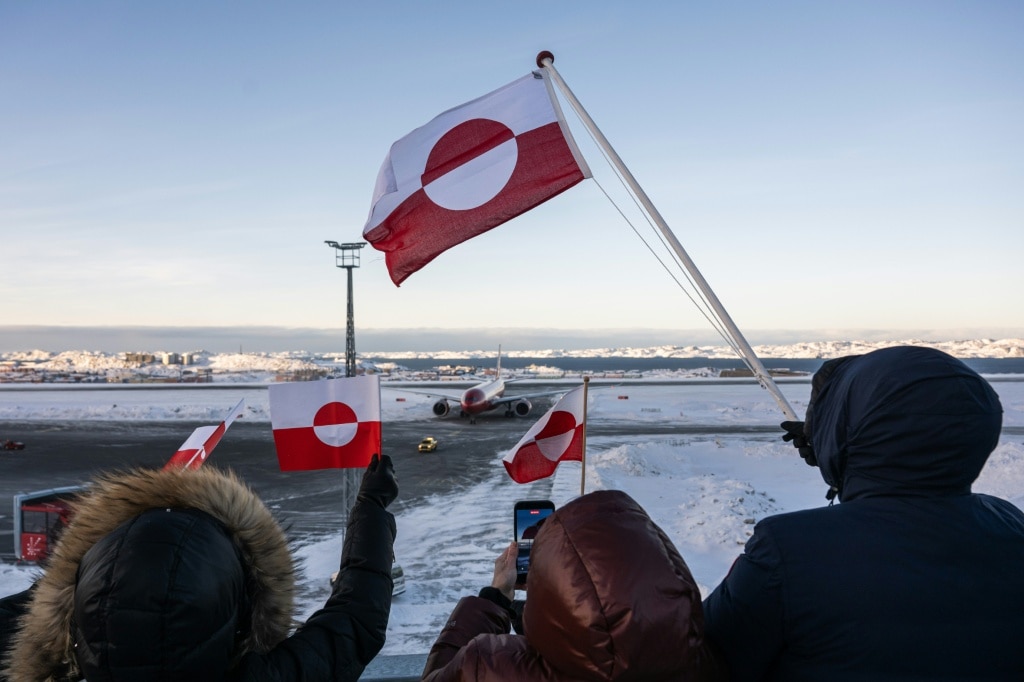
The World Economic Forum in Davos has become the stage for a significant geopolitical confrontation, with U.S. President Donald Trump’s controversial interest in Greenland creating unprecedented strains within the NATO alliance. During his attendance at the Swiss summit—his first in six years—Trump confirmed he would conduct meetings specifically addressing Greenland, heightening tensions with European leaders who have united against his aggressive foreign policy approach.
The situation escalated when Trump publicly mocked European counterparts, particularly French President Emmanuel Macron, by revealing private diplomatic communications. Macron had previously condemned Trump’s tariff threats against eight European nations as ‘unacceptable,’ while European Commission President Ursula von der Leyen warned of a potential ‘downward spiral’ in EU-US relations.
Greenland’s strategic significance has emerged as a central point of contention, with Trump emphasizing its mineral wealth and importance for Arctic security amid growing competition with Russia and China. The autonomous territory’s Prime Minister acknowledged the need to prepare for potential military implications, while Lithuania’s President Gitanas Nauseda declared that any forceful action against a NATO ally would effectively mean ‘the end of NATO.’
Despite these tensions, some U.S. lawmakers suggested the situation might de-escalate over time. Meanwhile, Trump’s planned announcement of a new international conflict resolution body—the ‘Board of Peace’ with $1 billion membership fees—and his invitation to Russian President Vladimir Putin have further complicated the diplomatic landscape, particularly given Russia’s ongoing invasion of Ukraine.