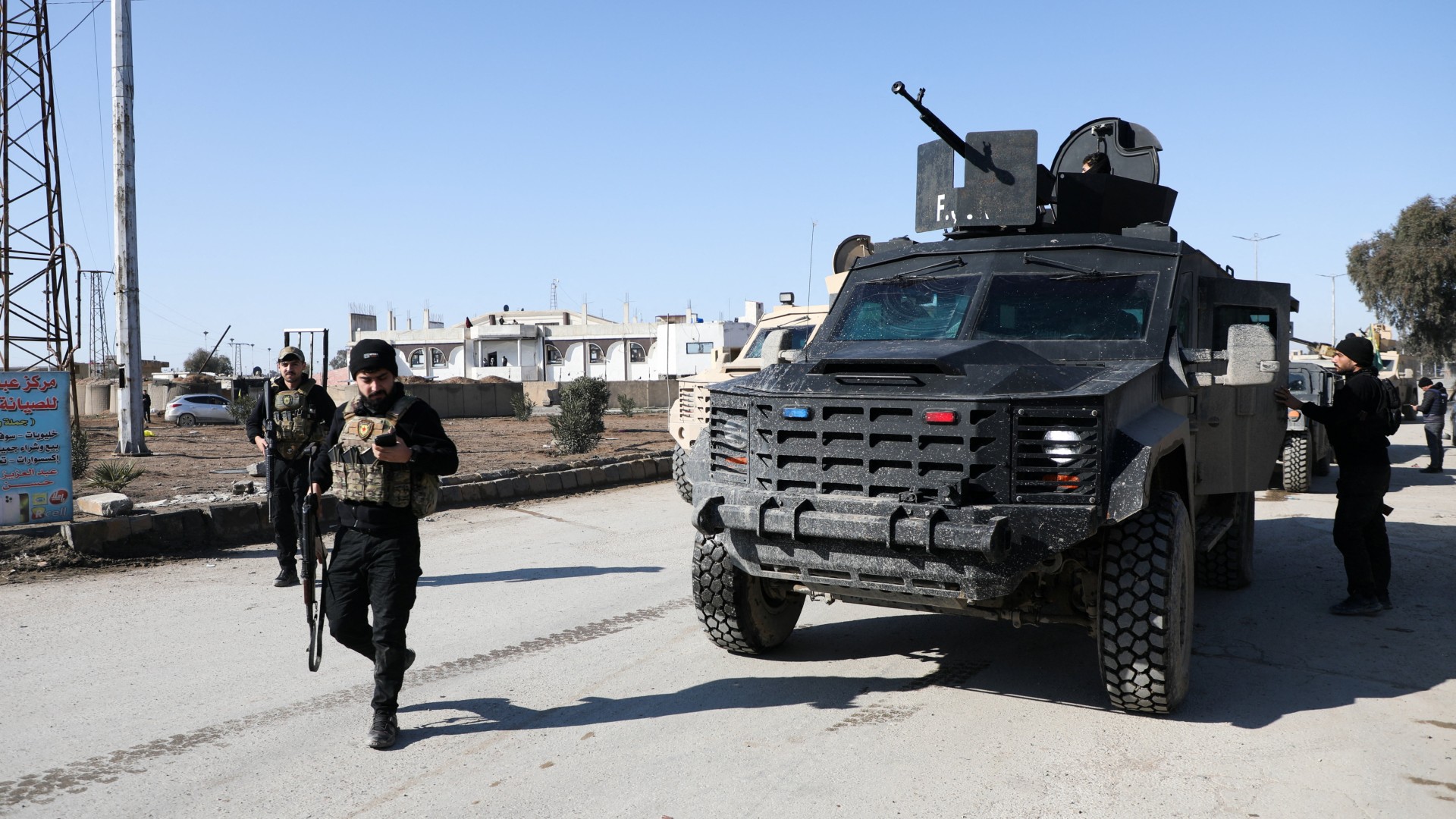
The rapid collapse of the Kurdish-led Syrian Democratic Forces (SDF) amid President Ahmed al-Sharaa’s military offensive has fundamentally transformed the geopolitical landscape in Syria while removing a persistent source of tension between the United States and its NATO ally Turkey, according to regional experts.
The disintegration of Rojava—the semi-autonomous Kurdish administration in northeastern Syria—marks the culmination of a strategic shift within the Trump administration that has effectively endorsed Turkey’s security concerns over Kurdish aspirations for autonomy. This development represents a dramatic reversal of Washington’s previous policy that had supported Kurdish forces as primary partners in the fight against the Islamic State since 2015.
Ankara had long viewed the SDF as an extension of the Kurdistan Workers’ Party (PKK), which both the US and European Union designate as a terrorist organization. The SDF’s defeat, facilitated by Arab tribal forces switching allegiances to Damascus, has enabled Syrian government forces to reclaim territories including the oil-rich provinces of Deir Ezzor and Raqqa for the first time in over a decade.
The Trump administration’s appointment of billionaire envoy Tom Barrack signaled a new approach prioritizing alignment with Turkish interests. Barrack declared the US security partnership with Kurdish forces ‘largely expired’ and backed a ceasefire agreement that requires SDF fighters to integrate individually into the Syrian army, explicitly rejecting any form of Kurdish semi-autonomy or federal system.
Regional analysts note that this resolution of the Kurdish question has created unprecedented alignment between Washington and Ankara that could influence ongoing conflicts in Gaza and Ukraine, where the Trump administration seeks Turkish cooperation. The absence of Israeli intervention despite Kurdish efforts to solicit support further strengthened Turkey’s position, according to experts at the Middle East Institute.
While some US lawmakers like Senator Lindsey Graham threatened sanctions against Damascus, the administration’s support for the new Syrian government—reportedly facilitated by Turkish and Saudi diplomacy—appears to have prevailed, fundamentally reshaping America’s Middle East policy and its relationship with key regional allies.