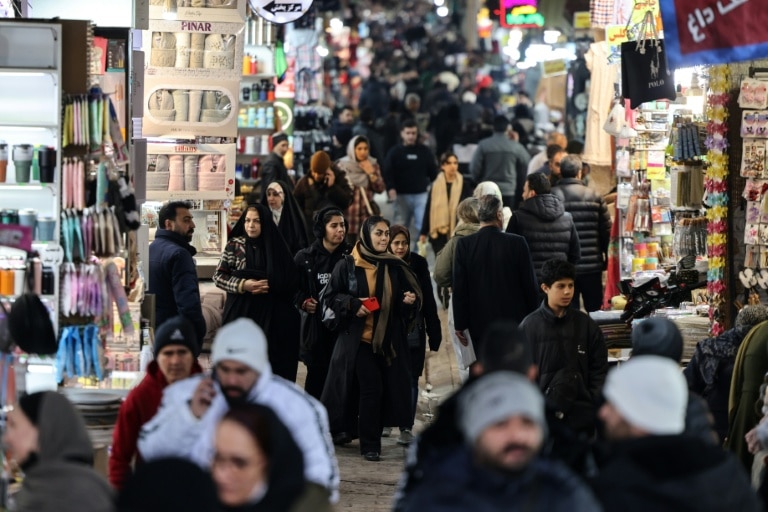
Iranian authorities are intensifying arrests while maintaining severe internet restrictions following recent nationwide protests, despite signs of surface-level normalcy returning to commercial centers like Tehran’s Grand Bazaar. Security forces maintain heavy visibility in the capital as shops reopen, creating an atmosphere of controlled calm.
Judicial authorities have initiated legal proceedings against 25 prominent figures including athletes and actors, alongside 60 coffee shops accused of supporting what state media describes as ‘American-Zionist sedition.’ Properties have been seized in what appears to be a systematic campaign against perceived dissent. Official arrest figures remain contested, with state media reporting 3,000 detainees while international rights organizations estimate approximately 25,000 arrests nationwide.
The government faces mounting international isolation over its response. The World Economic Forum abruptly cancelled Iranian Foreign Minister Abbas Araghchi’s scheduled appearance at Davos, citing appropriateness concerns. Simultaneously, European Commission President Ursula von der Leyen announced proposed bans on EU drone and missile technology exports to Iran. Germany’s Lufthansa and Austrian Airlines have suspended flights to Tehran through February and March respectively.
United Nations human rights bodies have scheduled an emergency session to address what they term ‘alarming violence’ and violations of international law. This occurs alongside disputed casualty counts, with independent organizations reporting over 4,000 confirmed deaths and suggesting actual numbers might approach 20,000. Iranian officials dismiss these figures as ‘lies’ while acknowledging 3,709 security personnel wounded.
Reza Pahlavi, US-based son of the former Shah, has emerged as an opposition figurehead, urging continued resistance through social media channels. Despite calls for renewed demonstrations, protest activity has significantly diminished under the dual pressure of security crackdowns and ongoing communication blackouts.
Internet monitoring organization Netblocks reports the government has implemented ‘whitelisting’ strategies, allowing selective access to approved platforms while maintaining broad restrictions. Most Iranians remain unable to receive international communications despite limited outgoing capability, creating information vacuums particularly concerning provincial violence reports.