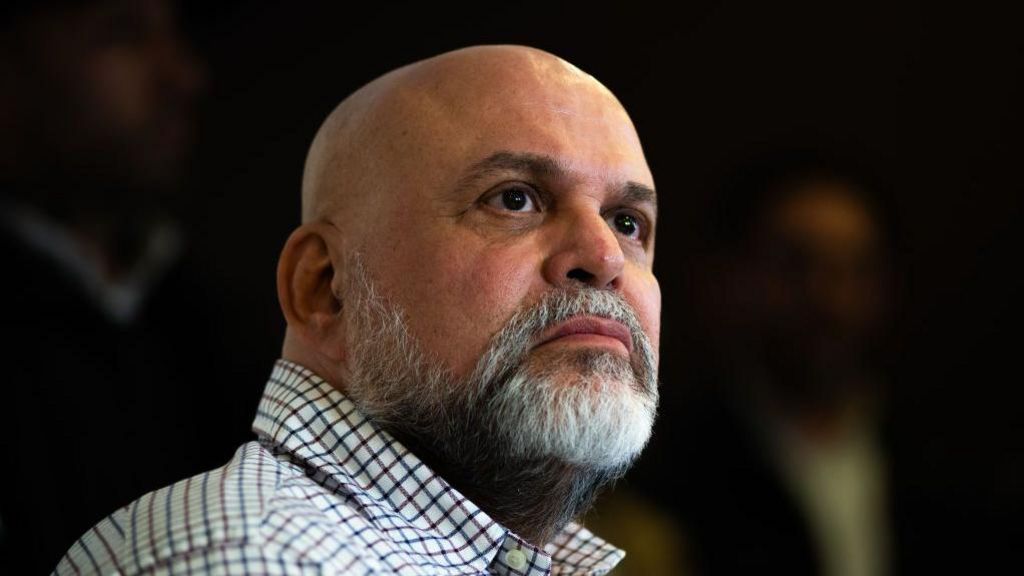
In a landmark ruling, Colombia’s Special Jurisdiction for Peace has imposed a 40-year prison sentence on former paramilitary commander Salvatore Mancuso for his role in orchestrating horrific crimes during the nation’s prolonged internal conflict. The 61-year-old ex-leader of the United Self-Defence Forces of Colombia (AUC) was convicted for masterminding over 117 documented atrocities—including targeted murders, enforced disappearances, and gender-based violence—against the indigenous Wayuu community in La Guajira province between 2002 and 2006.
Mancuso’s return to Colombia in 2024 followed the completion of a 15-year narcotics sentence in the United States, where he was extradited in 2008. US justice authorities had previously convicted him for smuggling massive cocaine shipments to finance his 30,000-strong paramilitary apparatus.
The tribunal outlined that Mancuso’s sentence could be reduced to just eight years if he fully cooperates with transitional justice mechanisms and participates in reparations programs—a provision that has ignited fierce controversy among human rights advocates. Despite his brutal legacy, the Petro administration recently designated him a ‘peace promoter’ to mediate with active armed groups, following his offers to expose alleged collusion between AUC forces and Colombia’s political and business elites.
This case emerges from Colombia’s decades-long armed struggle that claimed over 450,000 lives between 1985 and 2018. Indigenous communities like the Wayuu were frequently trapped between Marxist guerrillas—who forcibly recruited children—and paramilitary units like AUC that accused them of rebel sympathies and systematically terrorized them off their ancestral lands.
Although AUC formally demobilized under a 2005 peace agreement, splinter groups continued operating, deepening involvement in drug trafficking that had originally funded their anti-insurgency campaigns. Mancuso’s sentencing represents a pivotal moment in Colombia’s ongoing reckoning with conflict-era atrocities and the complex trade-offs between justice and reconciliation.