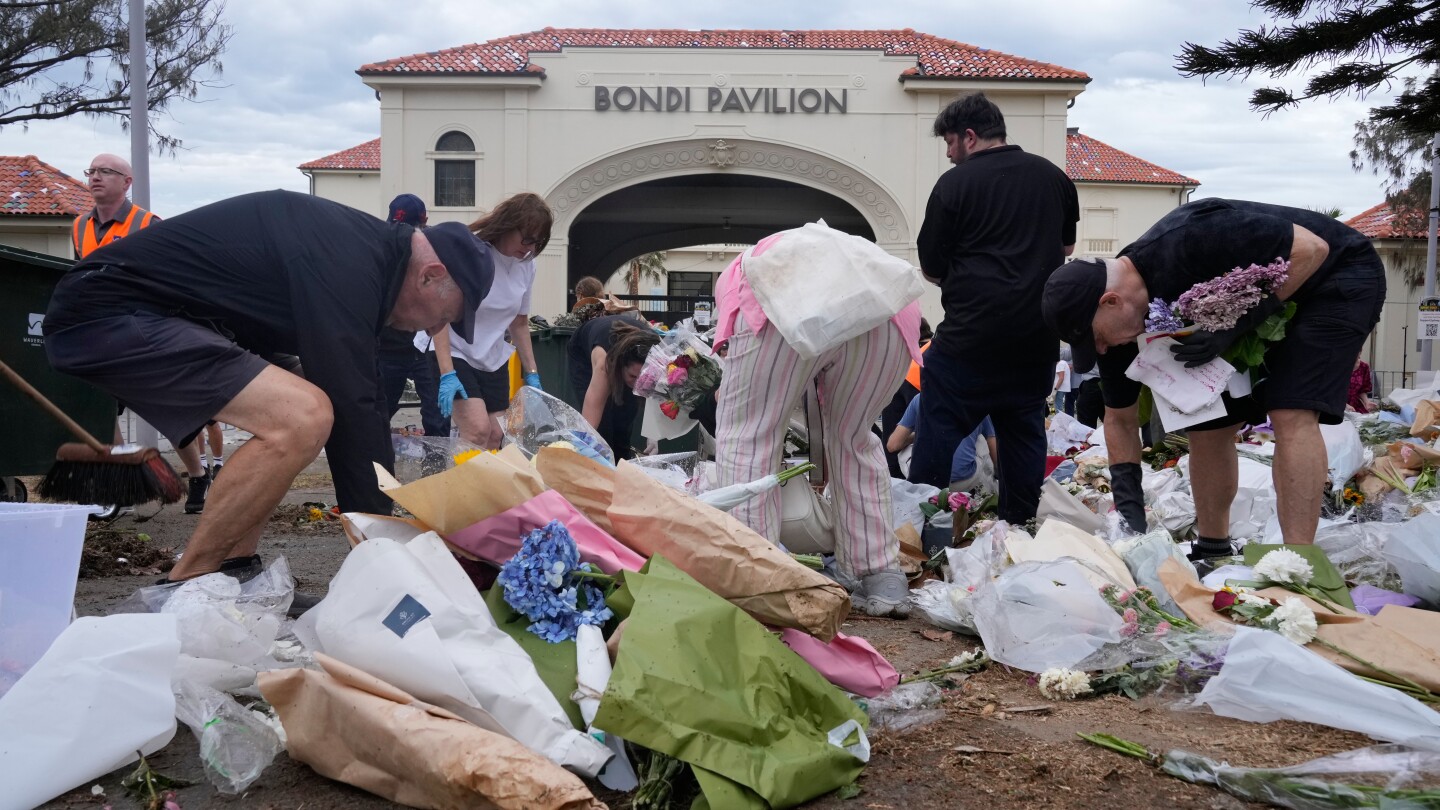
Australia’s federal parliament has convened for an emergency session to debate sweeping new security legislation in response to last month’s deadly antisemitic attack in Sydney. The proposed measures include strengthened firearm regulations and enhanced powers to outlaw hate organizations.
The legislative package, which could become law as early as Wednesday, establishes a government-funded firearm buyback program and imposes stricter eligibility criteria for gun ownership. The reforms specifically address circumstances that allowed the perpetrators of the December 14 Bondi Beach shooting to legally possess firearms despite security concerns.
Home Affairs Minister Tony Burke revealed that the alleged attackers—50-year-old Sajid Akram and his 24-year-old son Naveed—would have been prohibited from owning weapons under the proposed standards. The elder Akram, though a legal gun owner, would have been disqualified due to his non-citizen status, while his Australian-born son had been under surveillance by the Australian Security Intelligence Organization (ASIO) since 2019 for associations with suspected extremists.
The anti-hate speech provisions would enable the banning of organizations that promote extremism but don’t meet Australia’s current definition of terrorist groups. Islamist group Hizb ut-Tahrir, already outlawed in several nations, and neo-Nazi organizations like the National Socialist Network—which has announced plans to disband preemptively—would be subject to these new powers.
Despite federal urgency, several state and territory governments including Tasmania, Queensland, and the Northern Territory are resisting the firearm buyback scheme, which would require subnational governments to cover half the costs. Minister Burke confirmed ongoing negotiations with regional authorities to implement the comprehensive security response.