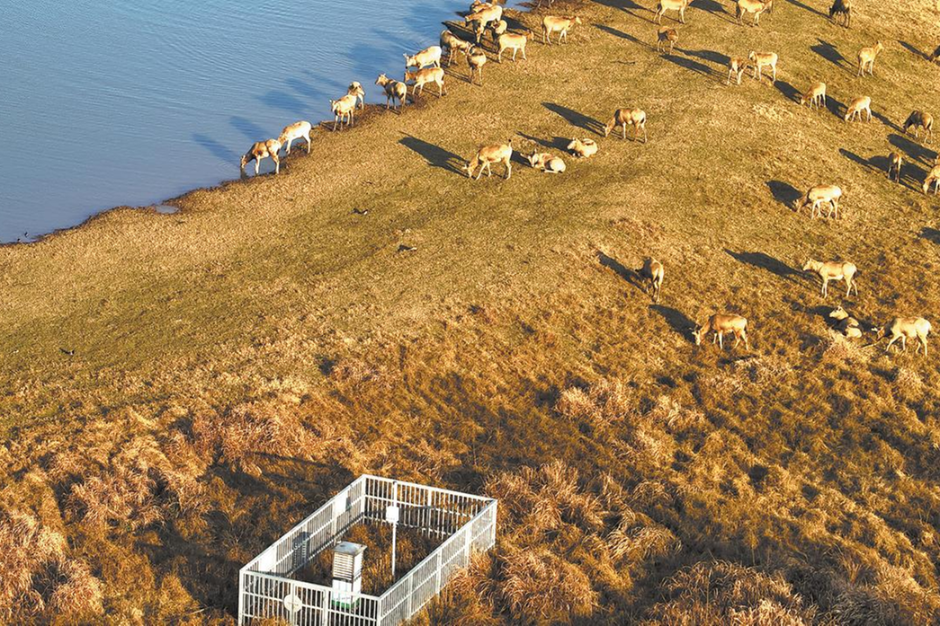
A technological renaissance is sweeping through the Hubei Shishou Milu National Nature Reserve, transforming traditional conservation methods for the endangered Pere David’s deer. The 1,567-hectare sanctuary has deployed an advanced intelligent monitoring system that represents a paradigm shift in wildlife protection strategies.
The reserve’s comprehensive digital infrastructure incorporates 450 high-definition cameras, 50 infrared imaging devices, and sophisticated environmental sensors, all interconnected through a 5G-powered artificial intelligence platform. This network has effectively replaced the labor-intensive manual patrols that once defined conservation work in the area.
Ranger Wang Chuanjun, a 57-year-old veteran conservationist, exemplifies this transformation. His daily routine has evolved from enduring 10-hour treks through challenging terrain—navigating waist-high vegetation, mud pits, and insect swarms—to monitoring the reserve through an intelligent digital dashboard. Wang now begins his workday by analyzing camera feeds to track deer distribution, monitor newborn fawns, and identify any signs of illness among the population.
The system’s impact has been quantitatively demonstrated since its March 2024 implementation, generating over 3,000 early warnings covering equipment malfunctions, potential fire hazards, and unauthorized human incursions. Environmental parameters including soil moisture, water quality, and meteorological conditions are continuously monitored to ensure optimal habitat conditions.
While physical patrols continue, they are now strategically guided by data-driven alerts, allowing rangers to respond precisely to identified issues rather than conducting exhaustive searches. “This technological integration has dramatically enhanced our operational efficiency, effectiveness, and overall working conditions,” Wang affirmed, highlighting the practical benefits of the digital conservation approach.