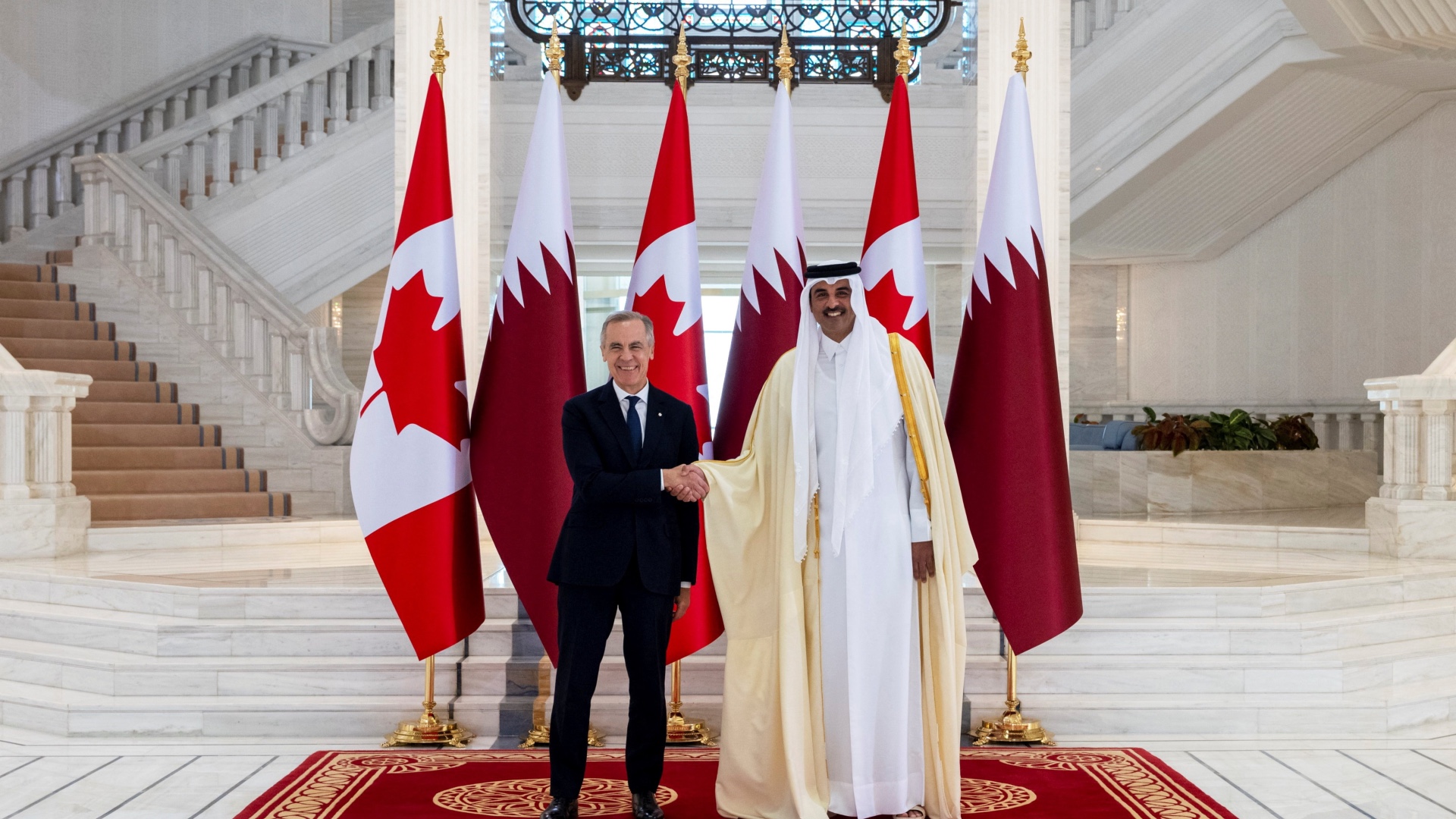
In a landmark diplomatic development, Qatar has pledged substantial investments into Canadian infrastructure and technology sectors, marking a significant strengthening of bilateral relations. The announcement followed an unprecedented visit by Canadian Prime Minister Mark Carney to Doha, where he conducted the first-ever meeting between a Canadian leader and Qatar’s Emir, Sheikh Tamim bin Hamad al-Thani.
The partnership encompasses multiple dimensions of cooperation, including the establishment of a joint Canada-Qatar commission focused on economic, commercial, and technical collaboration. Both nations committed to accelerating investment across cutting-edge sectors such as artificial intelligence, quantum computing, aerospace, defense technologies, and advanced manufacturing. The agricultural and agri-food sectors will also receive significant attention under the new framework.
A key component of the agreement involves finalizing the long-stalled Foreign Investment Promotion and Protection Agreement (FIPA) by summer, alongside the creation of a Canadian defense attache position in Doha. The nations will begin negotiations on a comprehensive framework for exchanging military and security expertise, enhancing their strategic alignment.
To facilitate economic exchange, both countries are working toward a double-taxation agreement that would streamline cross-border investment and employment opportunities for their citizens. Additionally, air connectivity will be strengthened through increased flight frequencies between the two nations.
The collaboration extends to international events, with both parties signing a letter of intent regarding cooperation during the 2026 FIFA World Cup, which Canada will co-host with the United States and Mexico. This follows Qatar’s successful hosting of the previous tournament in 2022.
Beyond economic matters, the leaders discussed critical issues of global peace and stability in the Middle East. Both Carney and Sheikh Tamim have received invitations to join US President Donald Trump’s ‘Board of Peace’ for Gaza, reflecting their nations’ growing involvement in regional diplomacy. Canada’s recent recognition of a Palestinian state alongside European allies further underscores its evolving foreign policy approach.
Prime Minister Carney’s Middle East engagement follows his significant diplomatic mission to China, where he secured trade concessions including reduced tariffs on Canadian canola oil and agreements on Chinese electric vehicle imports. These developments signal Canada’s strategic pivot toward diversifying its international relationships beyond its traditional partnership with the United States.