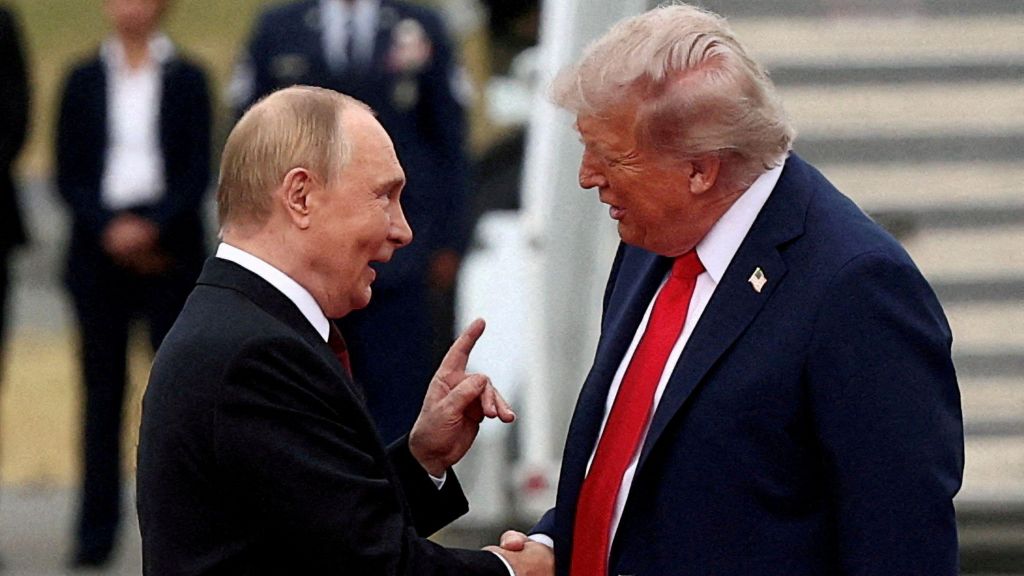
In a remarkable geopolitical alignment, Russian state media has emerged as an unexpected champion of former President Donald Trump’s controversial pursuit of Greenland. The official government newspaper Rossiyskaya Gazeta has published extensive praise for Trump’s territorial ambitions while simultaneously criticizing European allies who oppose the potential annexation.
The publication characterizes Trump’s push for Greenland as a “historic breakthrough” that would cement American greatness. The article suggests that acquiring the autonomous Danish territory would represent Trump’s “greatest deal” and elevate him to the status of historic figures like Abraham Lincoln. According to their analysis, US control of Greenland would expand American territory to become the world’s second-largest nation after Russia, surpassing Canada in total area.
Russian commentary explicitly encourages Trump to pursue rapid annexation before the 2026 midterm elections, warning that backtracking would weaken Republican political standing. This endorsement comes despite Trump’s own rhetoric portraying Russia and China as aggressive actors in the Arctic region, claiming their military presence necessitates US control of Greenland.
Analysts observe that Moscow’s support stems from strategic calculations rather than genuine admiration. The Greenland controversy has created significant strain within NATO and the transatlantic alliance, with Trump threatening tariffs against European nations that oppose his territorial ambitions. Russian tabloid Moskovsky Komsomolets openly expressed satisfaction with European disarray, noting “it’s a pleasure to watch this” development.
Furthermore, pro-Kremlin commentators are leveraging the Greenland situation to justify Russia’s ongoing war in Ukraine. Moscow perceives that maintaining positive relations with the Trump administration supports its primary objective of achieving victory in Ukraine. This calculated endorsement reflects Russia’s broader strategy of exploiting divisions within Western alliances to advance its geopolitical interests.