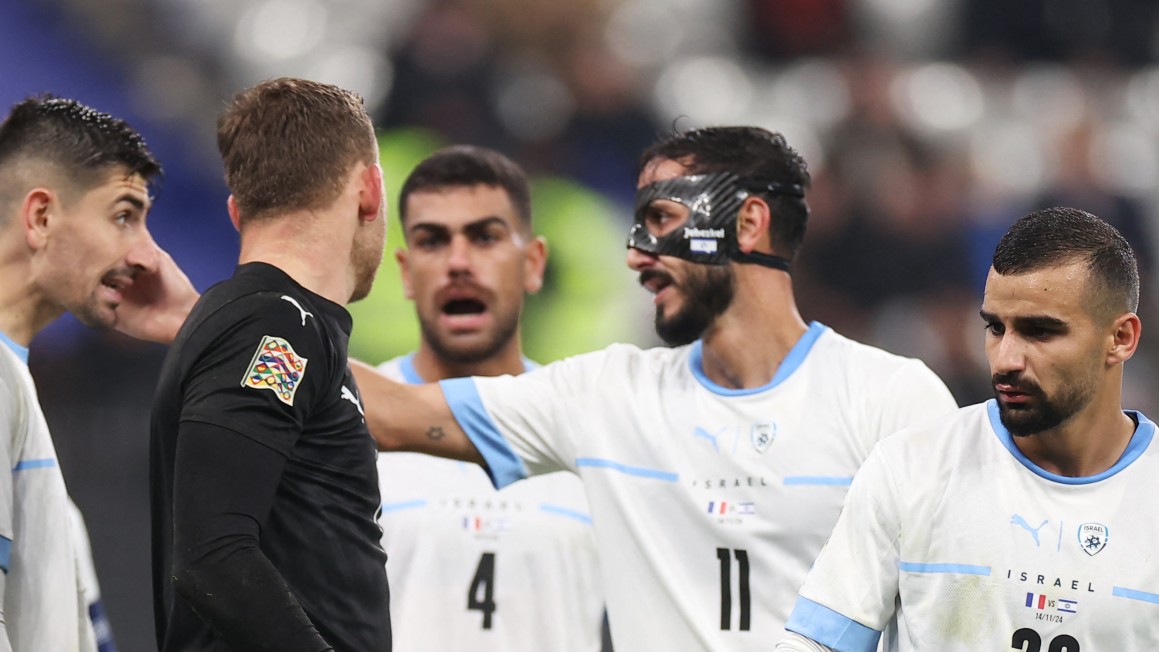
The Canton of Vaud in Switzerland is poised to make a significant political statement regarding international sports governance as its councillors prepare to vote on a resolution challenging UEFA’s tax-exempt status. The initiative, led by councillor Theophile Schenker and supported by members across four political parties, emerges from UEFA’s continued recognition of the Israeli Football Association despite Israel’s occupation of Palestinian territories.
European football’s governing body enjoys tax privileges in Nyon, Vaud, where numerous international sports federations are headquartered. These exemptions are contingent upon organizations demonstrating tangible efforts to promote peace and combat discrimination through their activities. The proposed resolution argues that UEFA’s failure to suspend the Israeli Football Association—particularly following the International Court of Justice’s advisory opinion on July 19, 2024, which deemed Israel’s occupation unlawful—directly contradicts these peace-promotion mandates.
The resolution highlights apparent double standards in UEFA’s governance approach, noting the organization’s swift sanctions against Russia following its invasion of Ukraine while taking no comparable action against Israel. Schenker emphasized that UEFA’s tax exemption exists specifically because international sports federations are expected to uphold peace values, a condition he believes UEFA is currently failing to meet.
Rather than immediately revoking tax privileges, the resolution would instruct the Vaud government to initiate formal proceedings requiring UEFA to justify how its current position aligns with its peace-promotion obligations. Depending on UEFA’s response, the government would then reassess the exemption eligibility. Even if successful, UEFA would retain the right to challenge any unfavorable decision in court.
The political maneuver comes amid revelations that UEFA’s executive committee had planned to vote on suspending Israel on September 30, 2024, over allegations of genocide in Gaza, but paused proceedings following a ceasefire proposal from former US President Donald Trump. Campaigners argue that UEFA President Aleksander Ceferin’s decision to halt the vote represents either complicity or political naivete regarding Israel’s documented human rights abuses.
While acknowledging the resolution’s primarily symbolic nature, Schenker believes parliamentary approval would send a powerful message to both the Vaud government and UEFA leadership, potentially providing ‘the missing energy’ needed for member associations to push for Israel’s suspension in alignment with international law.